- +256 772 069 909
- join@machinerytraininguganda.com
- Plot 463 Ave, Agora Mall, Kireka

Heavy machinery training duration in Uganda
Are you aware of the fact that heavy machinery training duration is one of the most important factors you should consider before enrolling in any operator training course in Uganda?
While many people focus on the cost of training or the type of machine they want to learn, understanding the heavy machinery training duration helps you make a realistic plan for your career.
After all, you want to know how long it will take before you can confidently operate heavy equipment, earn a recognized certificate, and begin applying for jobs.
If you have been searching for machinery training in Uganda, you have probably noticed that different training institutes advertise different course durations.
Some promise very short courses, while others recommend several weeks of practical learning. This often leaves many aspiring operators wondering which option is best.
The truth is that there is no single answer because the heavy machinery training duration depends on several factors.
Your previous experience, the type of machine you want to operate, the amount of practical training you receive, and the training schedule all influence how long your journey will take.
Instead of choosing the shortest course available, your goal should be to complete a program that gives you enough knowledge and practical experience to become a competent operator.
The heavy machinery training duration is the total period required to transform you from a beginner into a competent machine operator.
It includes classroom learning, practical field exercises, machine familiarization, safety instruction, equipment inspection, operational practice, maintenance basics, and the final assessment.
Many people assume that learning heavy machinery is only about sitting behind the controls and moving the machine.
In reality, professional training begins long before you operate any equipment. You first learn how each machine works, understand its components, identify safety hazards, perform daily inspections, and appreciate the importance of preventive maintenance.
These lessons create a strong foundation that allows you to operate machinery safely and confidently once you begin practical training.
A good training program balances theory with extensive hands-on practice. Spending enough time on both aspects is what makes the heavy machinery training duration worthwhile.
One reason many people become confused about the heavy machinery training duration is that no two learners are exactly alike.
Some trainees arrive with previous experience operating tractors, forklifts, or construction equipment, while others have never touched heavy machinery before.
If you are completely new to heavy equipment, your instructor will spend more time helping you understand machine controls, safe operating procedures, and basic maneuvering techniques.
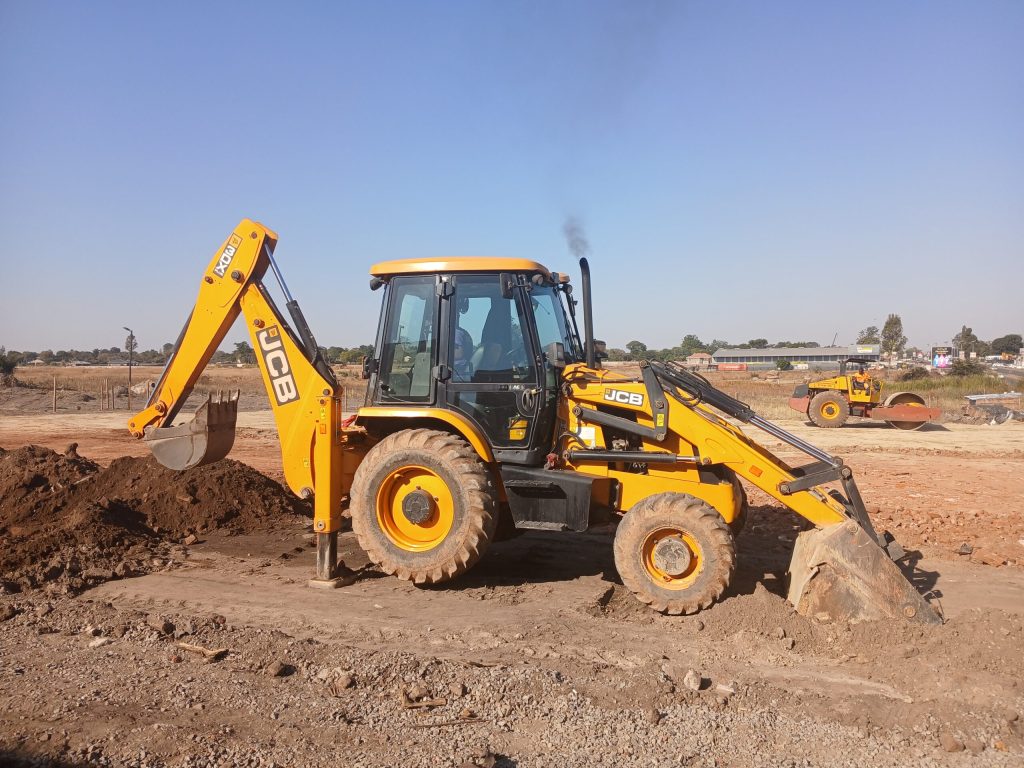
As your confidence grows, you gradually progress to more advanced operations such as excavation, grading, lifting, loading, and working in confined spaces.
Experienced operators often complete certain stages more quickly because they already understand machine behavior and workplace safety.
However, even experienced operators need enough practical time to master a different type of equipment before they are considered competent.
Your commitment also plays a major role. Learners who attend every lesson, practice consistently, and actively ask questions often progress faster than those who miss sessions or practice only occasionally.
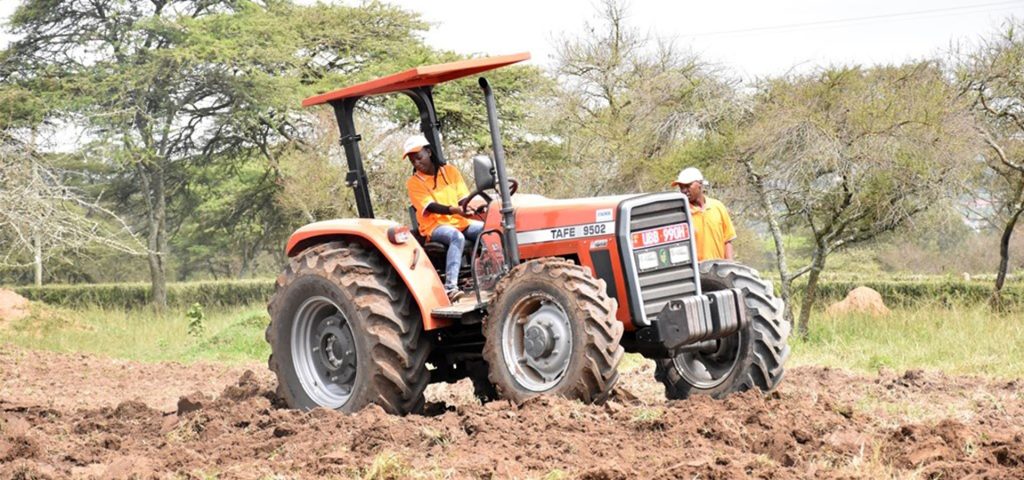
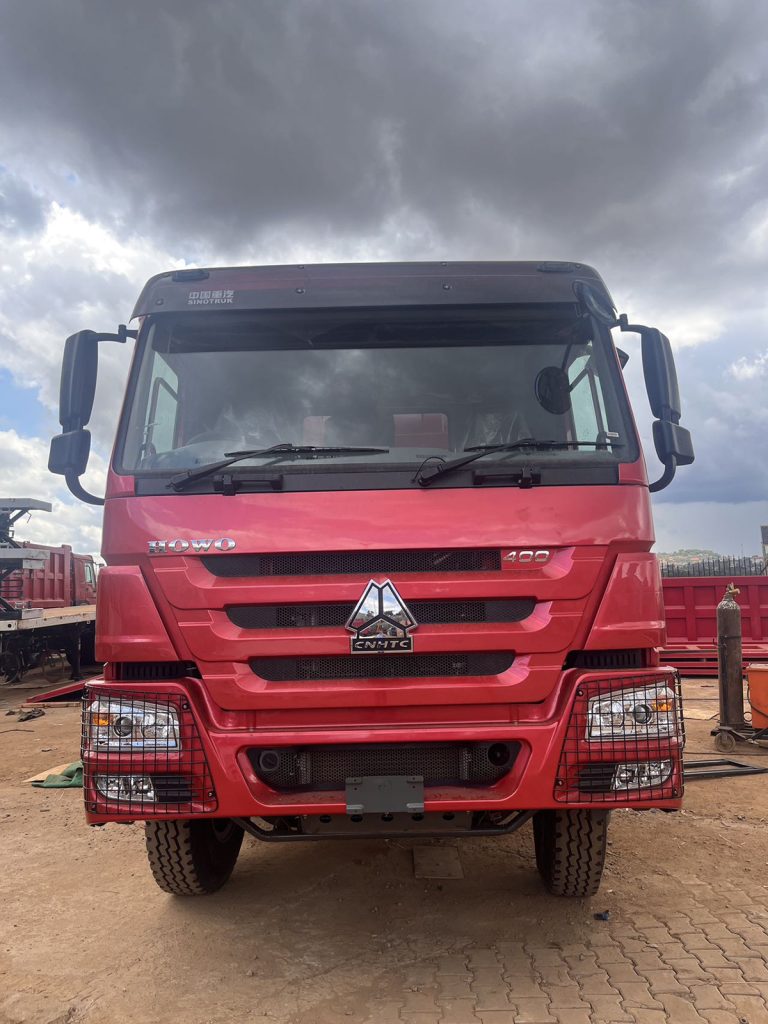
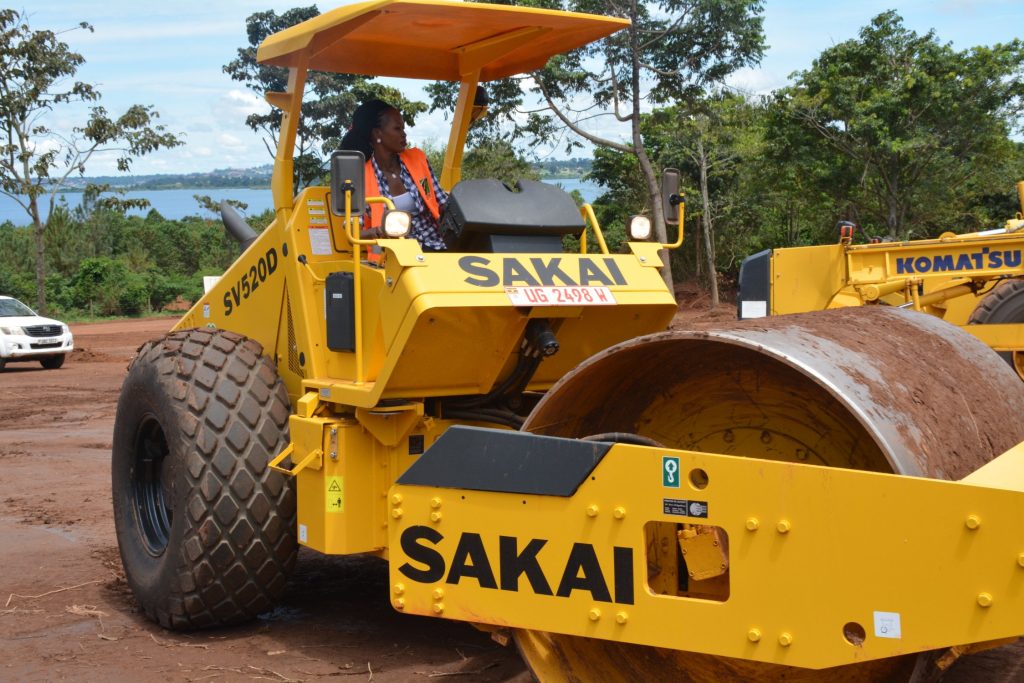
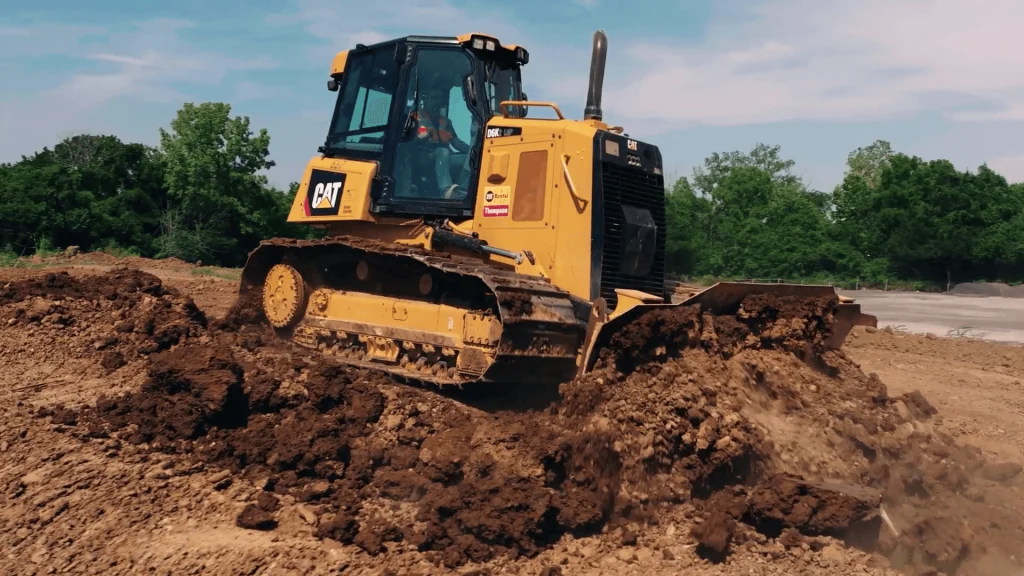

The heavy machinery training duration is carefully structured to help you build your skills step by step rather than overwhelming you with information.
During the first stage of training, you are introduced to the equipment you intend to learn. Your instructor explains the purpose of the machine, identifies its major components, and demonstrates how each control functions.
You also learn about workplace safety regulations because operating heavy machinery without proper safety knowledge can lead to costly accidents.
After orientation, classroom lessons introduce topics such as machine stability, hydraulic systems, fuel systems, basic maintenance, hazard identification, communication on construction sites, environmental awareness, and emergency procedures.
These lessons help you understand not only how to operate the equipment but also why certain operating techniques are recommended.
Once you have grasped the theoretical concepts, the practical phase begins. This is the most important part of the heavy machinery training duration because it allows you to gain real operating experience under professional supervision.
You learn how to start the machine correctly, move safely, control attachments, perform work-related tasks, park safely, and shut down the equipment following recommended procedures.
As your confidence increases, your instructor gradually introduces more challenging tasks that reflect actual working conditions. By the end of the course, you should be capable of operating the machine independently while maintaining high safety standards.
The heavy machinery training duration also depends on the type of equipment you decide to study. Machines differ in complexity, operating techniques, and the level of precision required.
Forklifts are generally among the quickest machines to learn because they are widely used in warehouses, factories, and logistics operations. If you have driving experience it will take you 2 weeks to master it but if you don’t have driving experience then it will take you 3 weeks
Although they appear simple, professional forklift training still requires careful attention to load balancing, safe lifting procedures, and workplace awareness.
Excavators usually require a longer training period of 3 weeks because they involve multiple hydraulic controls that must work together smoothly.
You need time to master digging techniques, trench excavation, loading trucks, grading surfaces, and working safely around underground utilities.
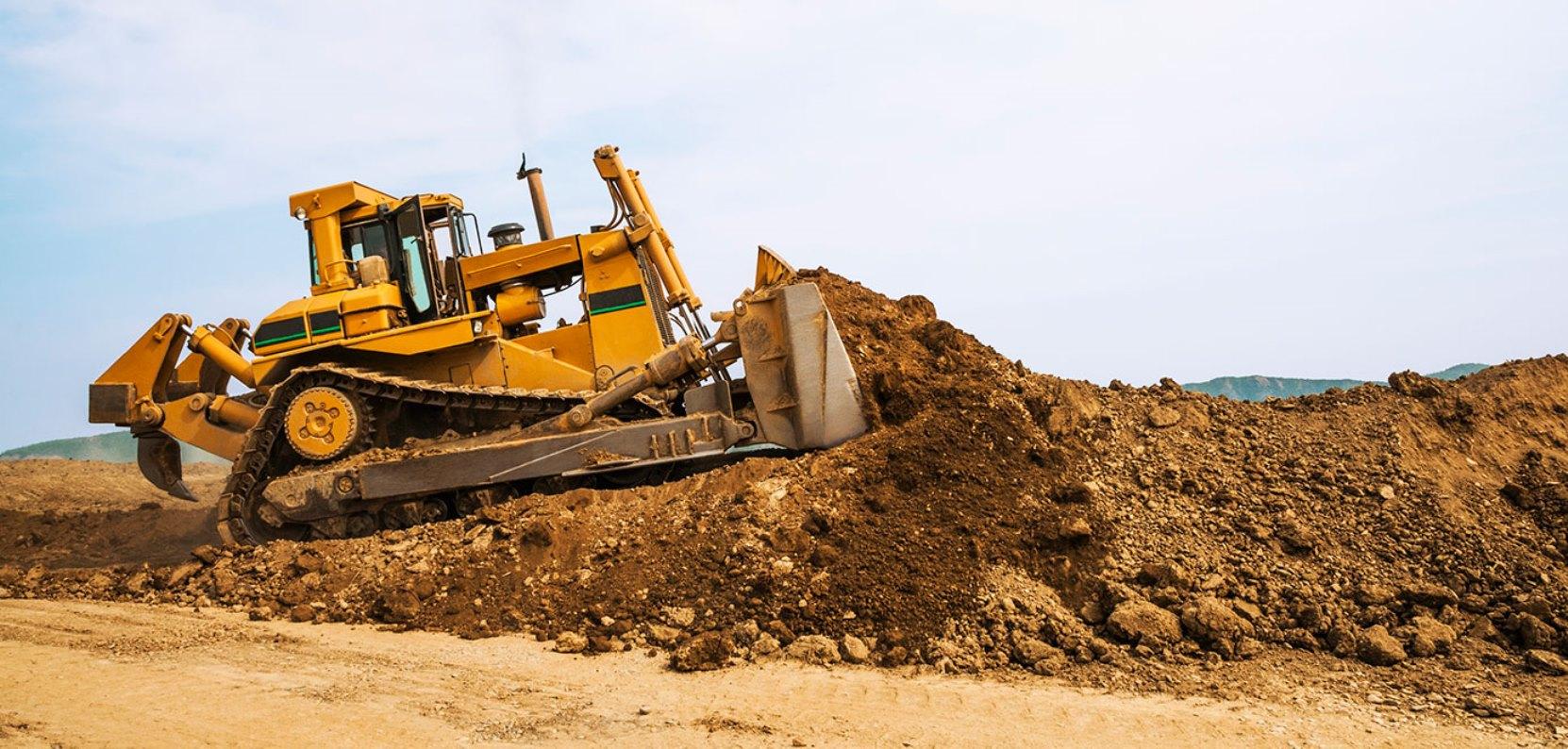
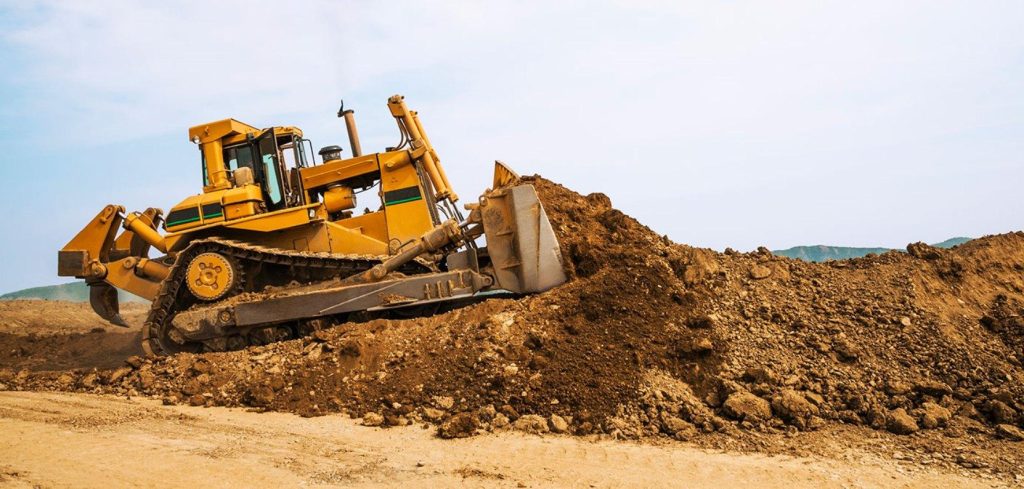
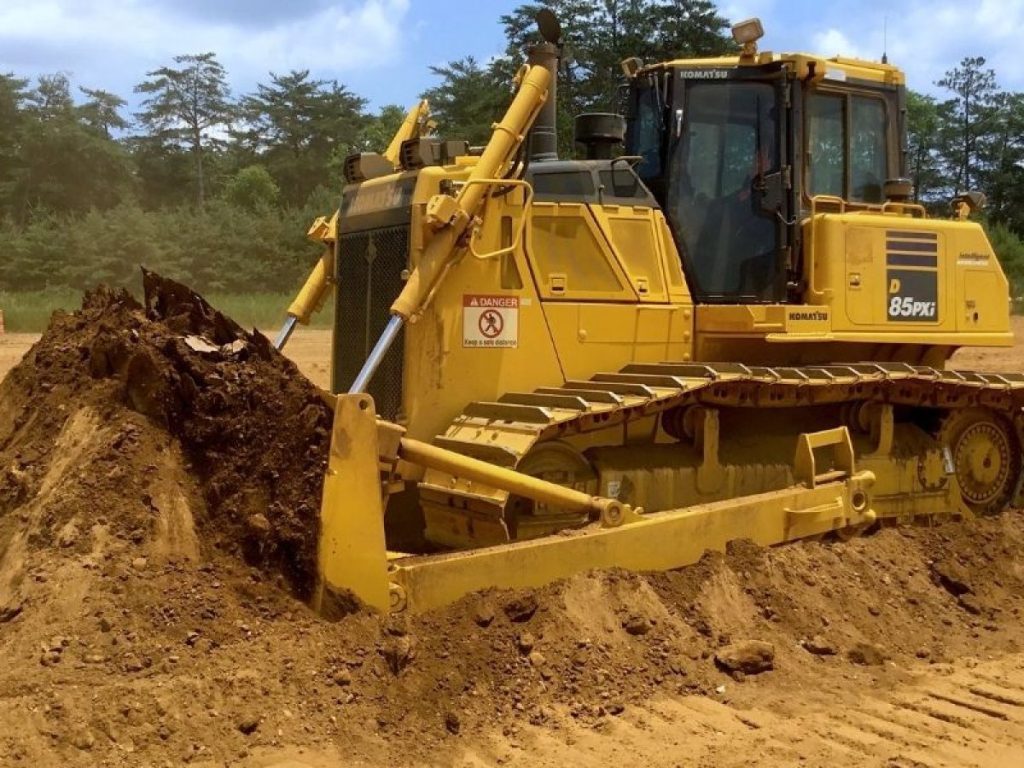
Bulldozers demand precision when clearing land, pushing materials, and maintaining level surfaces and it’s likely to take 3 weeks.
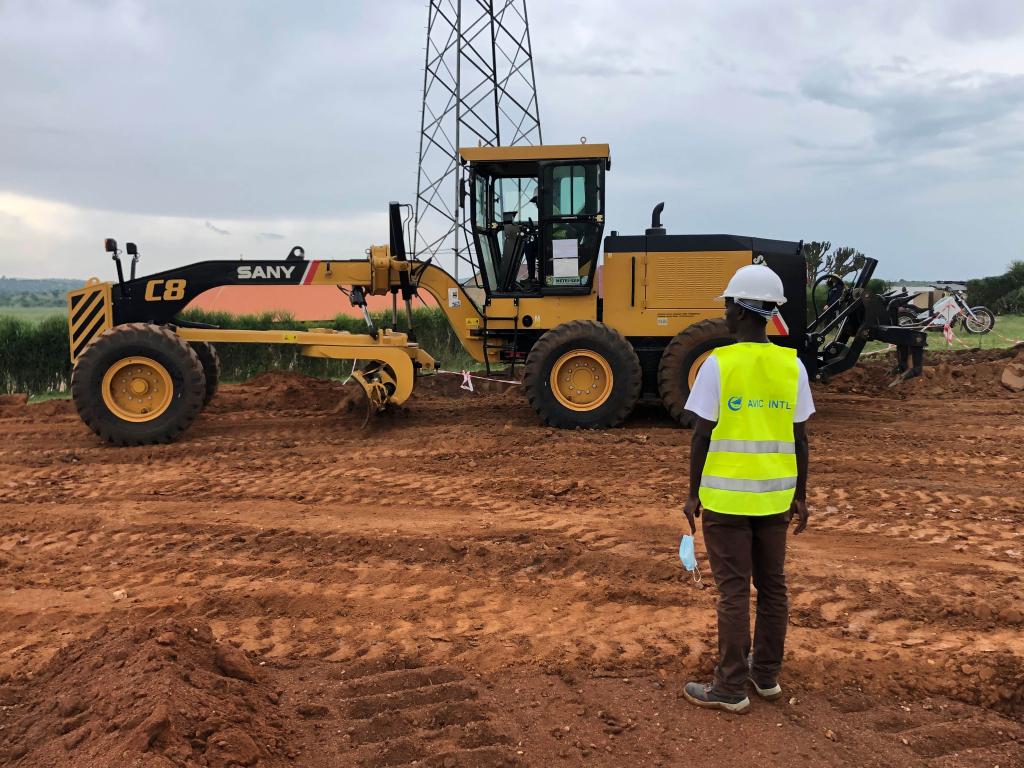
Motor graders require even greater accuracy because operators are expected to produce smooth road surfaces with minimal error. You can master this machine in 4 weeks if you have driving experience but if you’re a starter then it will cost you 5 weeks to learn it well.
Wheel loaders involve loading materials efficiently while maintaining machine stability and this usually takes 3 weeks as well.
Crane training generally takes longer. It can takes over 6 weeks of learning because lifting suspended loads requires advanced planning, communication, and strict adherence to safety procedures.
If you choose to learn more than one machine, your overall heavy machinery training duration naturally increases.
However, many operating principles are similar across different machines, making it easier to learn additional equipment after mastering your first one.
Many prospective trainees believe that completing training in the shortest possible time is an advantage. While everyone wants to start earning quickly, choosing a course based only on speed can become a costly mistake.
The purpose of the heavy machinery training duration is not simply to issue a certificate. It is to develop the confidence, competence, and practical skills that employers expect when hiring machine operators.
Imagine arriving at your first construction site and discovering that you have never practiced operating on uneven ground, loading trucks efficiently, or performing daily machine inspections.
A short course that skips essential practical exercises may leave you unprepared for real working conditions.
Employers rarely ask how quickly you completed your training.
Instead, they evaluate whether you can operate safely, minimize machine damage, work efficiently, and follow instructions. This is why practical experience should always take priority over finishing quickly.
You’re learning schedule also affects the heavy machinery training duration. Full-time learners usually complete their training sooner because they practice every day and develop their skills continuously.
Weekend or part-time learners may require a longer calendar period to finish the same program. This does not necessarily mean they receive lower-quality training. Instead, their learning is spread across more weeks to accommodate work or personal commitments.
The important factor is not how many calendar weeks pass but whether you accumulate enough supervised practical experience to become job-ready.