The Role of Heavy Equipment in Uganda’s Construction Industry

Home

The Role of Heavy Equipment in Uganda’s Construction Industry

Excavator operation Training

The Role of Heavy Equipment in Uganda’s Construction Industry

Uganda is experiencing remarkable growth, and heavy equipment is at the center of this transformation.
Every new highway, commercial building, industrial park, bridge, and residential estate depends on Heavy Equipment to move earth, lift heavy materials, prepare construction sites, and complete projects efficiently.

As you travel across the country, you can easily notice how modern infrastructure is reshaping communities, creating jobs, and supporting economic development.

Behind these visible achievements is the power and reliability of heavy equipment, operated by skilled professionals who understand both the machines and the demands of today’s construction industry.

If you are considering a career in construction or simply want to understand how Uganda continues to develop, it is important to appreciate the significant role heavy equipment plays in every stage of a construction project.

Why heavy equipment is the backbone of Uganda’s construction industry

Every successful construction project begins with proper planning, but without Heavy Equipment, even the best plans would remain on paper.

These powerful machines perform tasks that would otherwise require weeks or even months of manual labour.

From clearing vegetation and removing rocks to digging foundations and transporting tonnes of construction materials, Heavy Equipment increases productivity while maintaining high standards of accuracy.

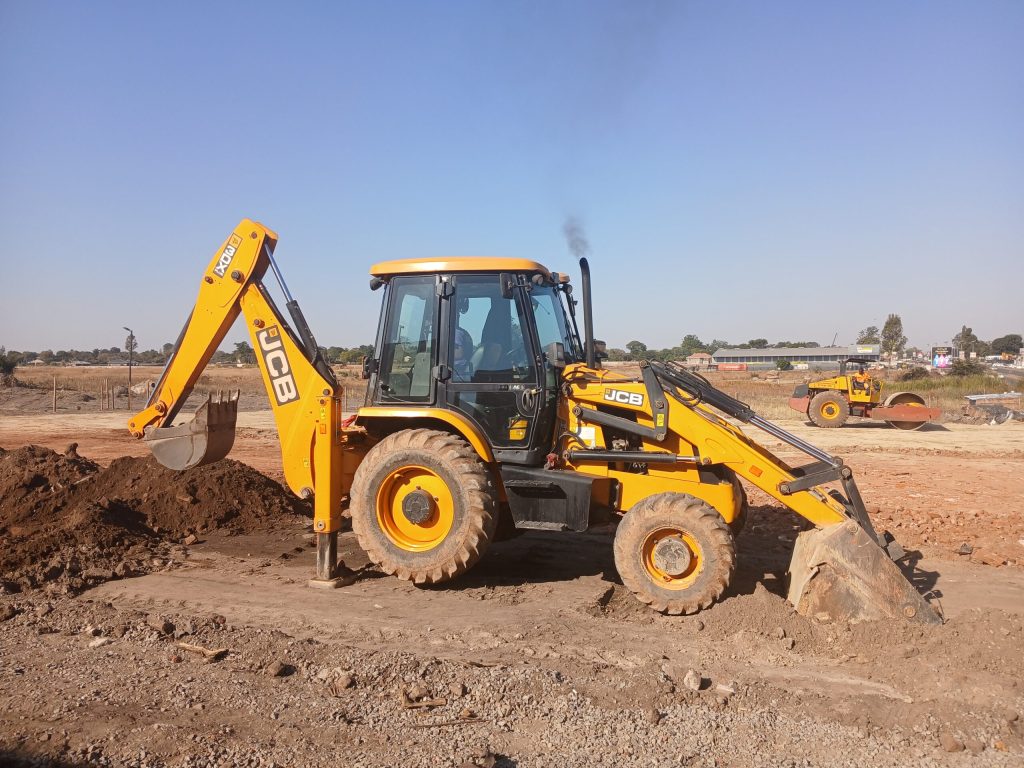
Machines such as excavators, bulldozers, graders, wheel loaders, cranes, rollers, and dump trucks work together to ensure projects are completed safely and within schedule.

As Uganda continues investing in road construction, housing developments, oil and gas infrastructure, industrial parks, and commercial buildings, the demand for Heavy Equipment continues to grow.

Here are some of the roles of heavy equipment in Uganda’s Construction industry 

Heavy equipment makes site preparation faster and more efficient

Before the first brick is laid or the first concrete slab is poured, construction sites must be properly prepared. This is one of the most important stages where Heavy Equipment demonstrates its value.

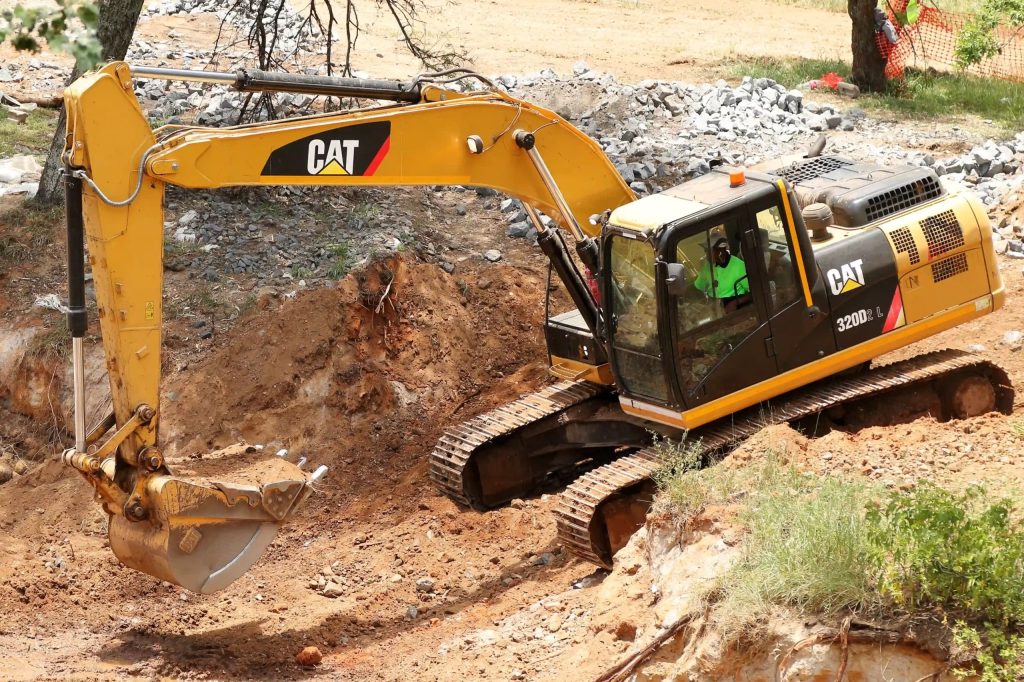
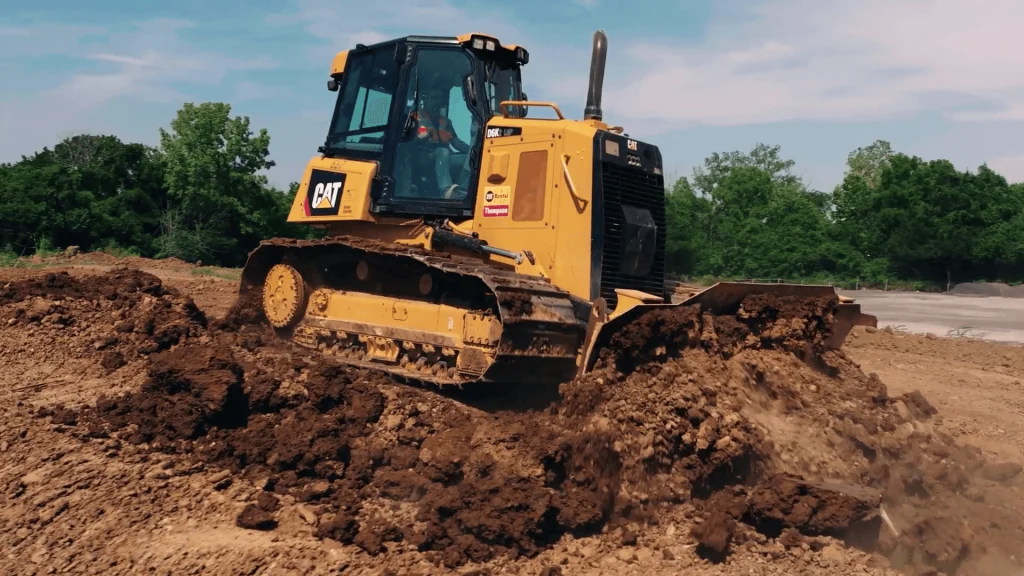
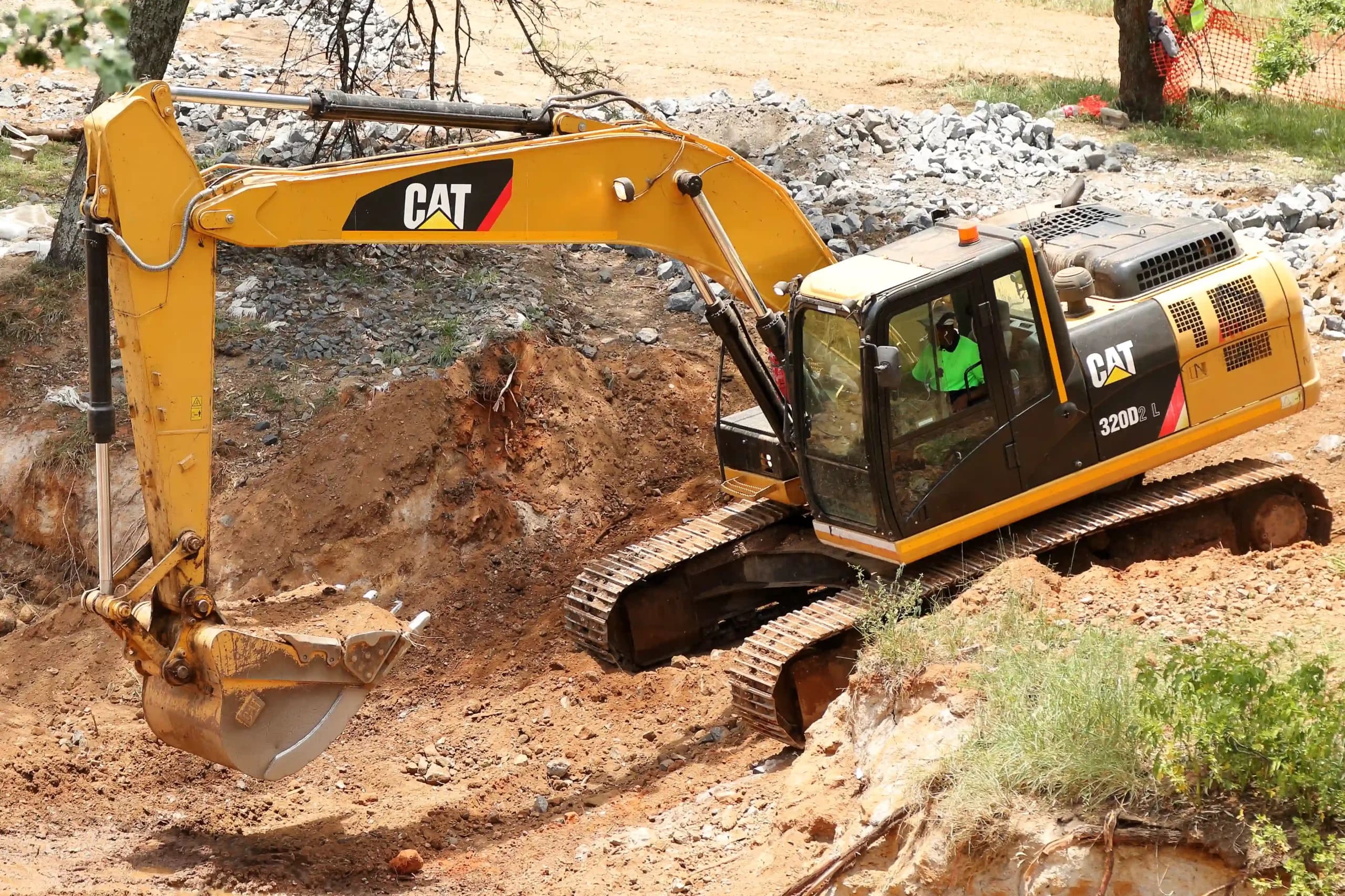
Excavators dig foundations and drainage systems with precision, while bulldozers remove unwanted vegetation, rocks, and debris.

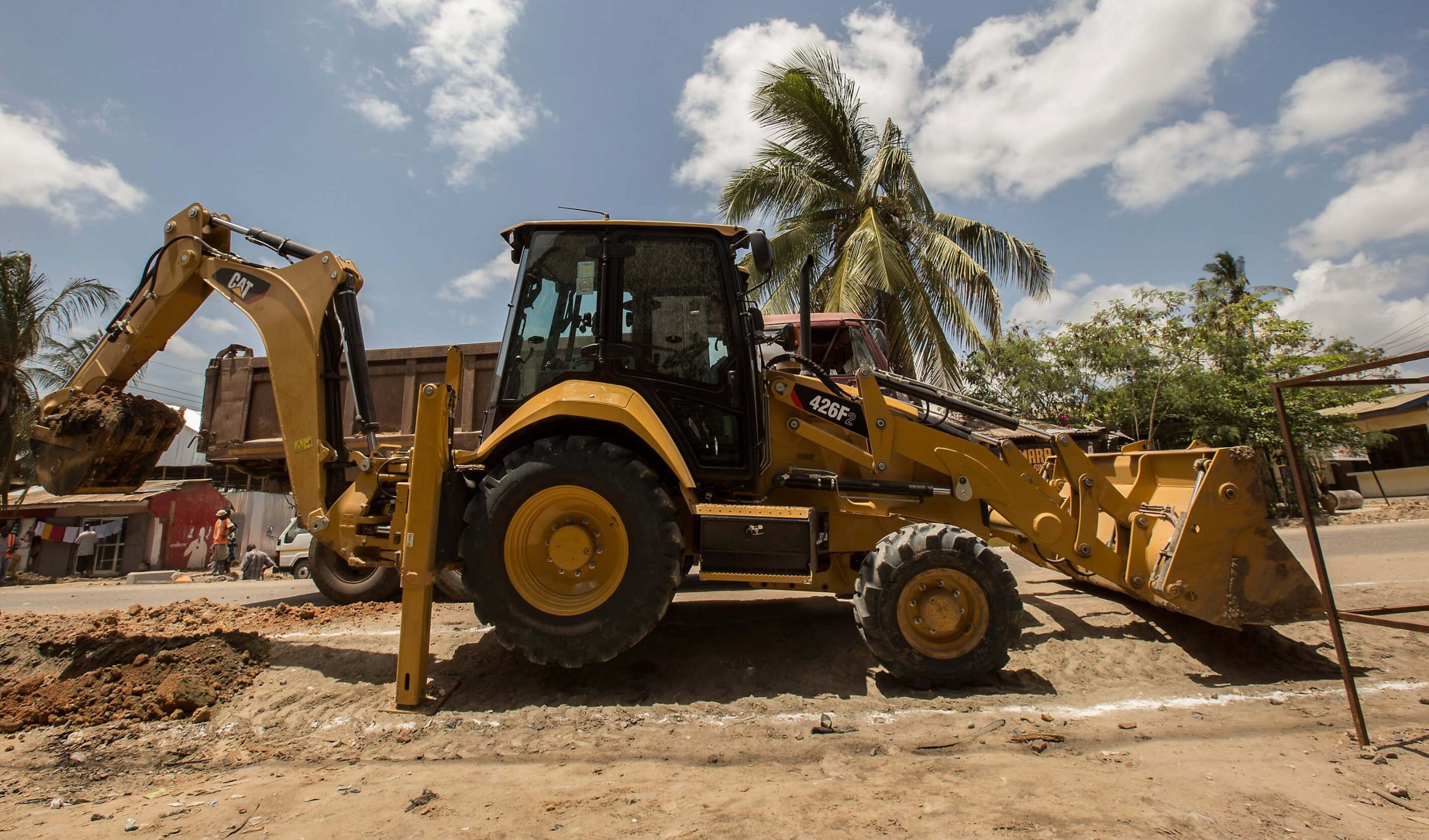
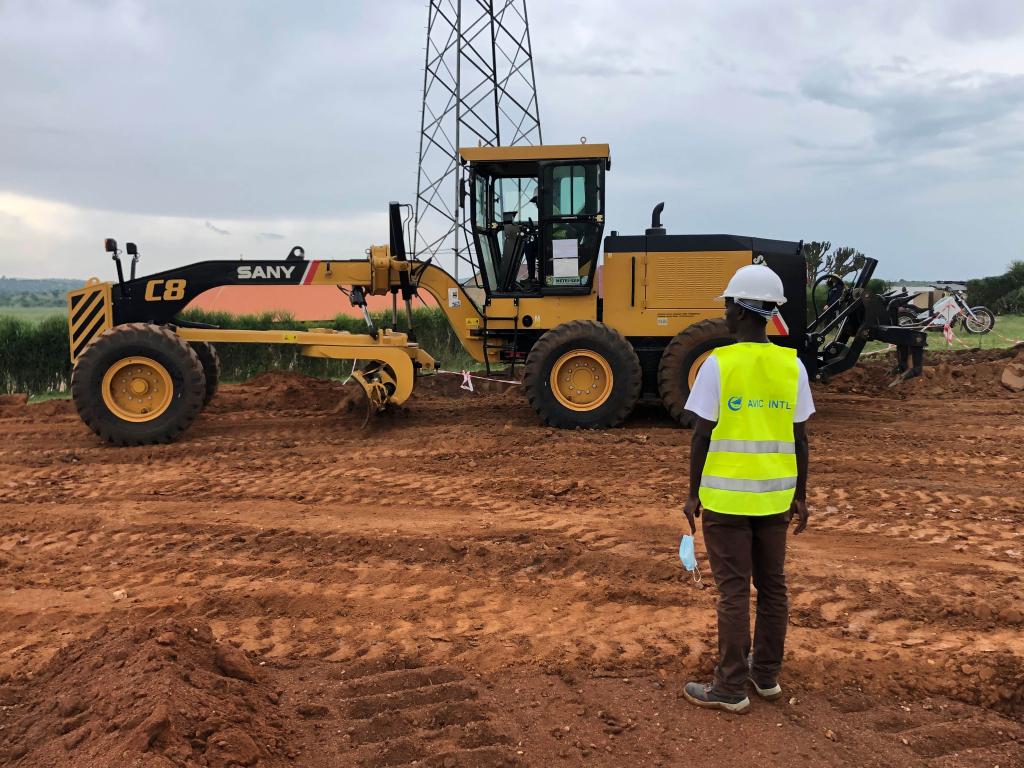
Motor graders level uneven ground, ensuring the site is ready for construction. Wheel loaders transport soil, gravel, and other materials efficiently across the site.

Without Heavy Equipment, site preparation would consume far more time, increase labour costs, and delay project completion.

Heavy equipment drives Uganda’s infrastructure development

Uganda’s vision for economic growth relies heavily on infrastructure development. Whether it is expanding highways, improving rural access roads, constructing modern hospitals, building schools, or establishing industrial parks, Heavy Equipment makes these developments possible.

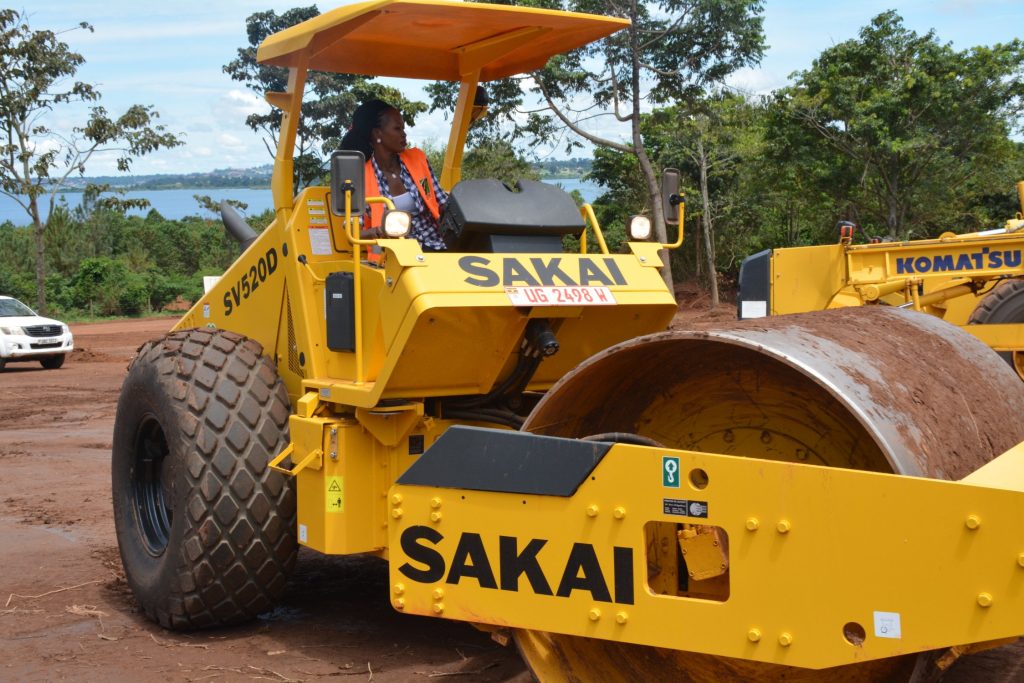
Road construction projects depend on graders to create smooth surfaces, rollers to compact soil and asphalt, excavators to construct drainage systems, and dump trucks to transport construction materials.

Every machine performs a specific role that contributes to the overall success of the project.
As government and private investors continue funding infrastructure projects, the need for reliable Heavy Equipment and qualified operators will continue to increase.

Heavy equipment improving productivity 

Time is one of the most valuable resources in construction. Delays often result in higher costs and missed deadlines.

Fortunately, Heavy Equipment significantly improves productivity by completing demanding tasks within a much shorter period.

For example, an excavator can move large volumes of soil in a single day that would take many workers several days to complete manually.

A wheel loader can transport tonnes of aggregate within minutes, while a crane safely lifts heavy structural components that human labour alone cannot handle.

This increased efficiency enables contractors to complete projects faster, reduce operational expenses, and deliver quality work to clients.

Reccomended Courses

Sino

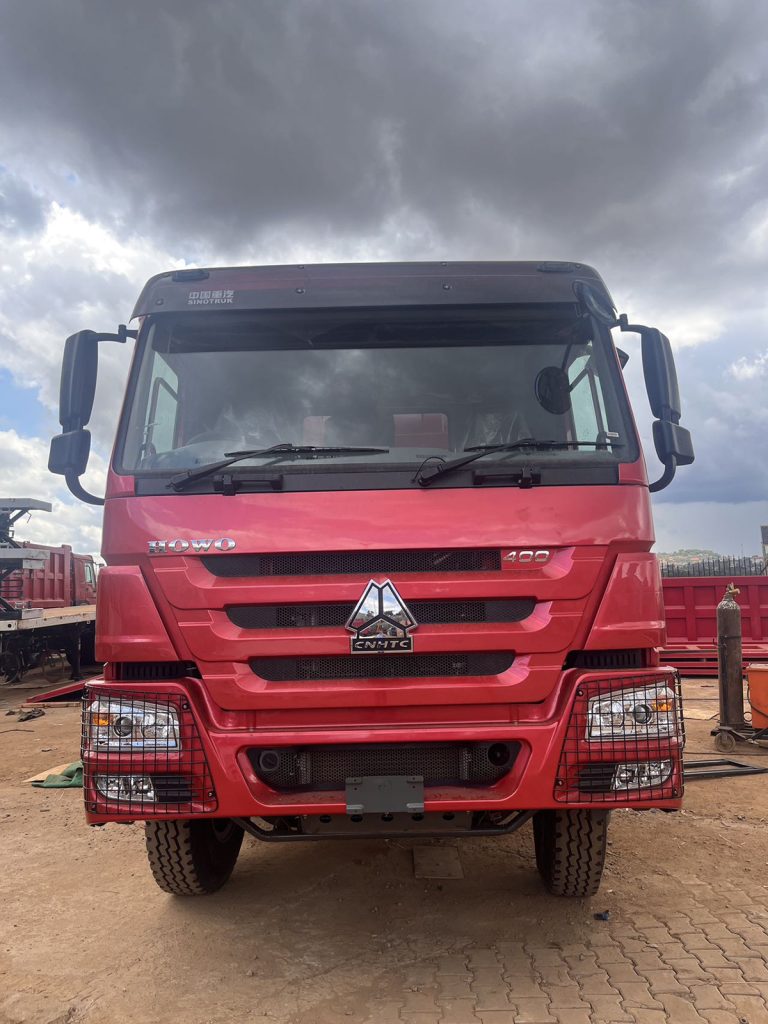
Sino truck Driving Course in Uganda |10 tyre Truck Driving Course

Sino Truck Driving Course in Uganda prepares you to operate 10 tyre trucks for transport and logistics, with hands-on driving, load control & real-road safety
The Rise of Female Heavy Machinery Operators in Uganda

Roller Training in Uganda | Compactor operator

Roller Training in Uganda gives you practical compactor operation skills for road construction, site prep & earthwork
Heavy Machinery Training Duration in Uganda

Bull dozer Training in Uganda | Bull dozer operator

Bulldozer Training in Uganda gives you hands-on experience in land clearing, grading & safe machine operation ideal for careers in construction & earthmoving

Class B Driving Course in Uganda

Class B Driving Course in Uganda teaches you to handle light vehicles safely & confidently, with practical road sessions & guidance to pass your driver’s tests

Heavy equipment improves construction safety

Construction sites present many hazards, especially when heavy materials are handled manually. One of the greatest advantages of Heavy Equipment is its ability to improve workplace safety.

Modern machines are equipped with advanced safety features, including reversing alarms, operator protection systems, cameras, and improved visibility. These technologies help reduce accidents and protect both operators and workers on site.

However, even the safest machine requires a competent operator. Proper training remains essential for ensuring that heavy equipment is operated responsibly and efficiently.

With that said, lets have a view of the importance of skilled heavy equipment operators

Owning modern machinery alone is not enough. The performance of heavy equipment depends greatly on the skills of the operator.

A trained operator understands how to inspect equipment before use, operate machinery safely, identify early mechanical problems, and maximize fuel efficiency.

Skilled operators also communicate effectively with site supervisors and follow safety procedures that protect everyone on the construction site.

This growing demand for competent operators has made professional training more valuable than ever before.
How Machinery Training Uganda Institute prepares you for success

If you want to build a successful career operating heavy equipment, quality training is the first step. At Machinery Training Uganda Institute, the focus goes beyond simply teaching you how to move a machine.

You are trained to become a confident, safety-conscious, and professional operator who understands industry standards.

The training combines classroom theory with extensive practical sessions, allowing you to gain hands-on experience using heavy equipment in realistic working conditions.

You also learn machine inspection, preventive maintenance, workplace safety, fuel-efficient operation, and proper communication on construction sites.

This practical approach prepares you to meet the expectations of employers in Uganda’s rapidly growing construction sector.

Whether your goal is to work on road construction projects, commercial developments, mining operations, or infrastructure projects, the knowledge and practical skills you acquire position you for long-term success.
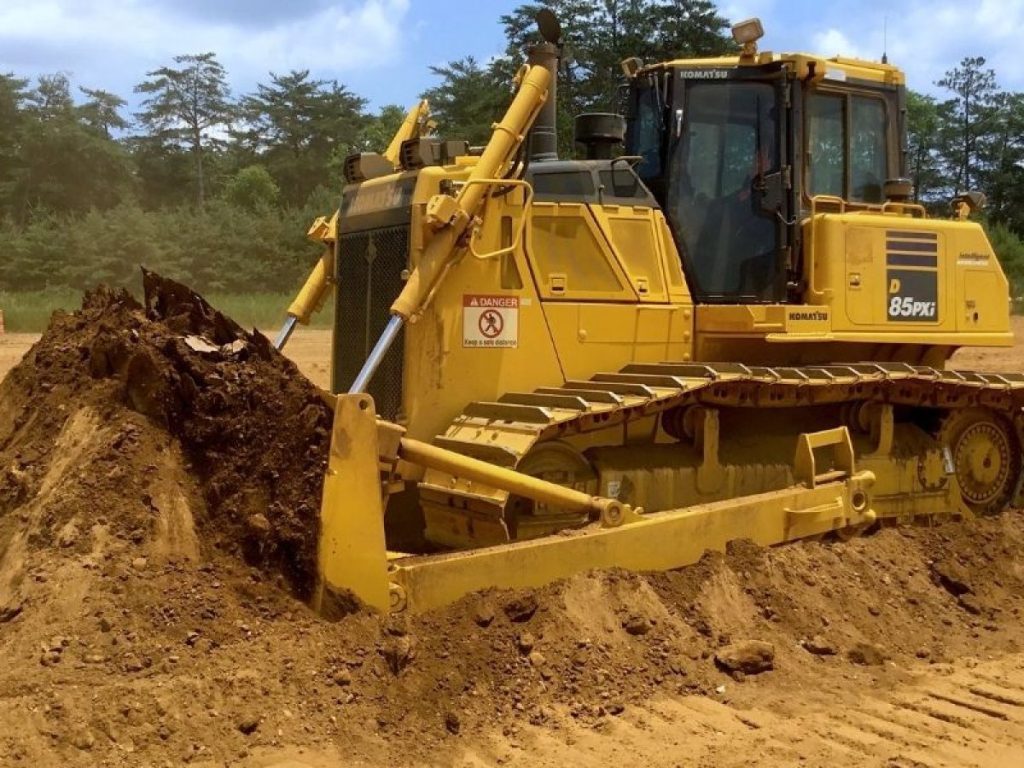
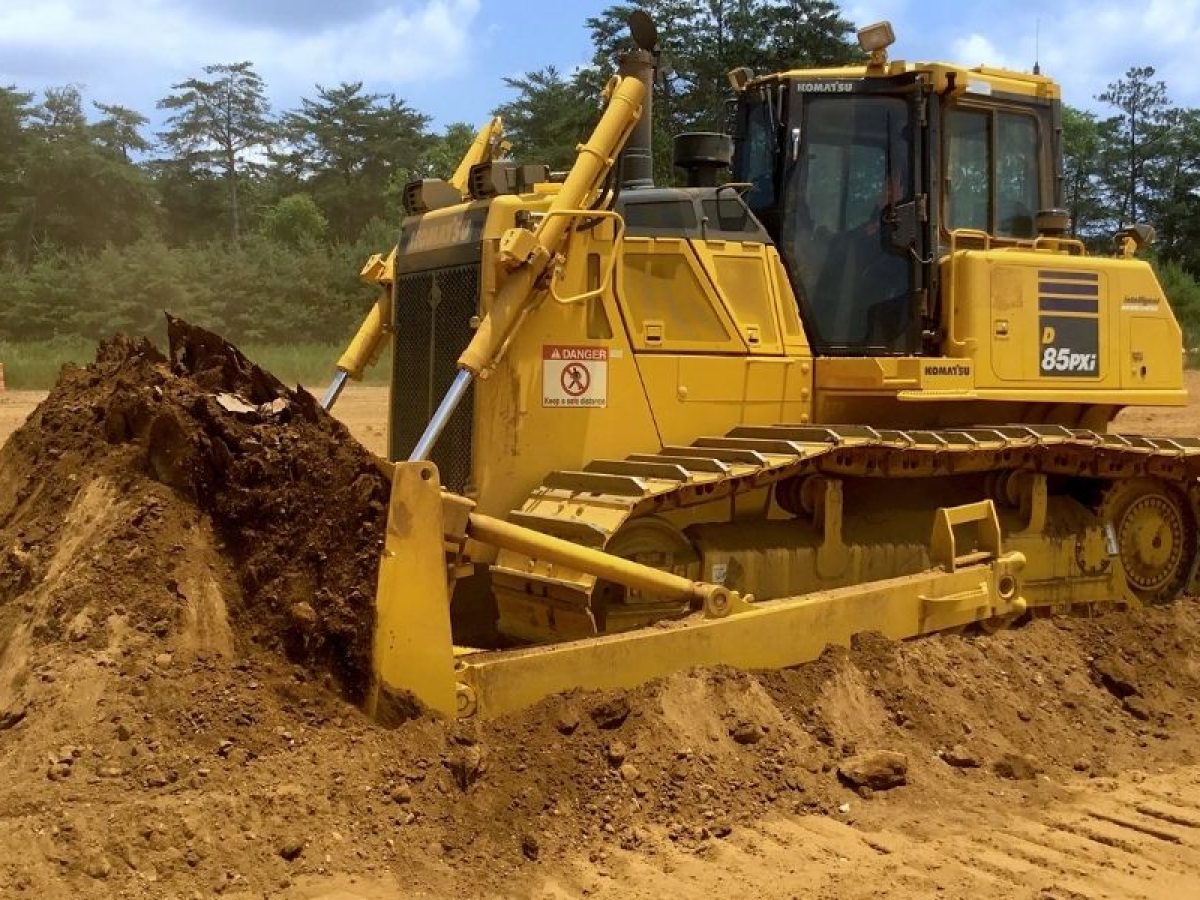
Bulldozer Operator Training
Bulldozer Operator Training at MTU

How does Heavy equipment operation create employment opportunities?

As Uganda’s construction industry continues to expand, new career opportunities continue to emerge.
Every construction project requires skilled people to operate, maintain, supervise, and manage Heavy Equipment.

Qualified operators are needed by construction companies, engineering firms, mining companies, government projects, equipment rental companies, and private contractors.

The skills you develop today can open doors to stable employment both within Uganda and across the East African region.

For many young people, learning to operate Heavy Equipment provides a practical career path with opportunities for professional growth and financial independence.

What is the future of heavy equipment in Uganda?

The future of Uganda’s construction industry is closely linked to Heavy Equipment. With continued investment in transport infrastructure, urban development, energy projects, and industrialization, construction activities are expected to remain strong for years to come.

Technology is also changing how heavy equipment is operated. Modern machines now feature GPS guidance systems, digital monitoring technology, fuel-efficient engines, and advanced safety systems.

Operators who continuously improve their knowledge and embrace new technology will remain competitive in the industry.

This means there has never been a better time to invest in professional training and develop the skills needed to operate modern Heavy Equipment safely and efficiently.

Conclusion

Heavy Equipment is the driving force behind Uganda’s construction industry, making it possible to build safer roads, stronger buildings, and modern infrastructure that support national development.

If you are ready to build a rewarding career in this growing industry, start by gaining the right knowledge and practical skills.

Join Machinery Training Uganda Institute today and take the first step toward becoming a professional Heavy Equipment operator who is ready to meet the demands of Uganda’s evolving construction sector.

Similar Articles...

The Role of Heavy Equipment in Uganda's Construction Industry

The Role of Heavy Equipment in Uganda’s Construction Industry

Heavy Machinery Training Duration in Uganda

Heavy Machinery Training Duration in Uganda

The Rise of Female Heavy Machinery Operators in Uganda

The Rise of Female Heavy machinery Operators in Uganda

What are you still waiting for?

Join us to start a transformational journey to unlock limitless doors of heavy machinery opportunities. 

error: Content is protected !!