What Should You Check Before Starting a Heavy Machine?

Home

What Should You Check Before Starting a Heavy Machine?

Did you know that a heavy machine can look ready for work from a distance, but appearances can be deceptive?

Before starting a heavy machine, you need to develop the habit of looking beyond the paint, climbing into the operator’s position with a clear mind, and asking yourself a simple but important question: Is this machine actually safe and ready for the task ahead?

A machine may have enough fuel and a powerful engine, yet a loose hose, low fluid level, damaged tire, faulty warning light or leaking hydraulic system can turn an ordinary working day into a dangerous situation.

Now at Machinery Training Uganda Institute, trainees are encouraged to understand that responsible machine operation begins before the engine starts moving the equipment.

Let’s reflect on some of the things you must do before starting a heavy machine

Your first check begins from the outside

Before you climb into the operator’s seat, take a slow walk around the entire machine and observe its general condition. This is not the time to rush because a careful visual inspection can reveal problems that may not be obvious once the engine is running.

Look underneath the machine for signs of oil, fuel, coolant or hydraulic fluid leakage, while also checking the body, attachment, steps, mirrors and other visible components for damage.

If you notice something unusual, do not simply assume that it was already there or that someone else will deal with it; a professional operator develops the discipline of identifying and reporting defects before they become bigger problems.

Check the engine area carefully

Once you have completed the general walk-around, pay particular attention to the engine compartment and the areas where important fluids and components are located.

Depending on the type of machine, you may need to check engine oil, coolant, hydraulic oil and fuel levels according to the manufacturer’s instructions.

These checks should be carried out using the correct procedure because fluid levels can give you important information about the condition of the machine.

For example, an unusually low level may indicate a leak or another mechanical problem that needs attention before operation. You should also look for loose connections, damaged hoses, worn belts and anything else that appears different from the normal condition of the machine.

Look closely at hydraulic components

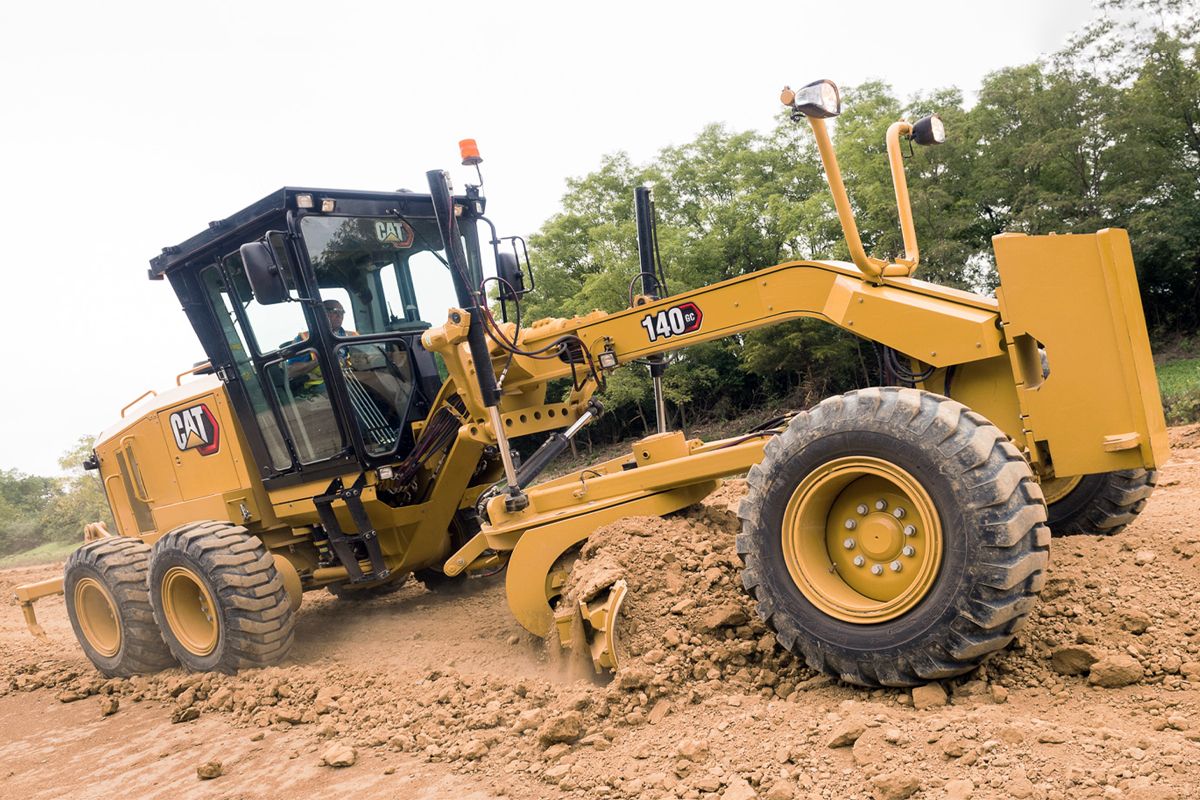
Hydraulic systems do much of the heavy work on machines such as excavators, loaders, graders and other hydraulic equipment, which means their condition deserves serious attention before operation.

Inspect hydraulic hoses, pipes, fittings and cylinders for visible damage, cracks, excessive wear or signs of leakage, particularly around connection points.

A small leak should not automatically be treated as harmless simply because the machine still appears to operate normally. Hydraulic pressure can be extremely high, and a damaged component can create both mechanical and safety hazards.

If you identify a serious hydraulic fault, the correct response is to stop and report it rather than attempting to continue working and hoping the problem disappears.

Check the tires, tracks and undercarriage

The part of the machine that remains in contact with the ground deserves just as much attention as the engine.

If you are operating a wheeled machine, inspect the tires for damage, abnormal wear and appropriate inflation according to the manufacturer’s requirements, while also checking for objects that may have become lodged in them.

If you are operating a tracked machine, examine the tracks and undercarriage for obvious damage, excessive looseness or anything that could affect safe movement.

Remember that stability depends greatly on the condition of the machine’s contact with the ground, particularly when you are working on uneven terrain, slopes or construction sites where ground conditions can change quickly.

Do not forget the attachment

An operator can sometimes become so focused on the engine and cab that the attachment is overlooked, yet the bucket, forks, blade, boom, arm or other working equipment is one of the most important parts of the machine.

Before operation, inspect the attachment for cracks, excessive wear, loose components or other visible damage, and make sure the relevant pins, connections and locking mechanisms are correctly secured.

If you are using a forklift, for example, the forks and their locking arrangement require careful attention because they are directly responsible for supporting the load.

On an excavator, the bucket, teeth, pins and hydraulic cylinders should be observed before work begins. The exact checks vary with the machine, but the principle remains the same: never assume the working attachment is safe simply because the machine itself starts.

Check your operator’s area

When you enter the cab, your inspection continues. Adjust your seat and mirrors so that you can operate comfortably and maintain the best possible visibility around the machine, then make sure the seat belt is in good condition and ready for use.

Look at the controls and pedals to ensure that nothing appears damaged or obstructed, and check that the cab is reasonably clean and free from unnecessary objects that could interfere with operation.

Good visibility is particularly important on busy worksites because people, vehicles, materials and other machines can enter your working area unexpectedly. A professional operator should never begin work while struggling to see the area around the machine.

Turn your attention to the dashboard

The dashboard gives you another important opportunity to identify problems before the machine begins working.

When the ignition is switched on according to the manufacturer’s procedure, pay attention to the warning lights, gauges and indicators rather than immediately starting the engine and ignoring what appears on the panel.

You should understand the normal readings and warning indicators for the machine you are operating because an unfamiliar warning light can provide an early indication of a problem.

If a critical warning remains illuminated or a gauge shows an abnormal reading, do not simply cover the problem by continuing to operate. Stop, consult the appropriate machine information and report the issue when necessary.

Reccomended Courses

Sino

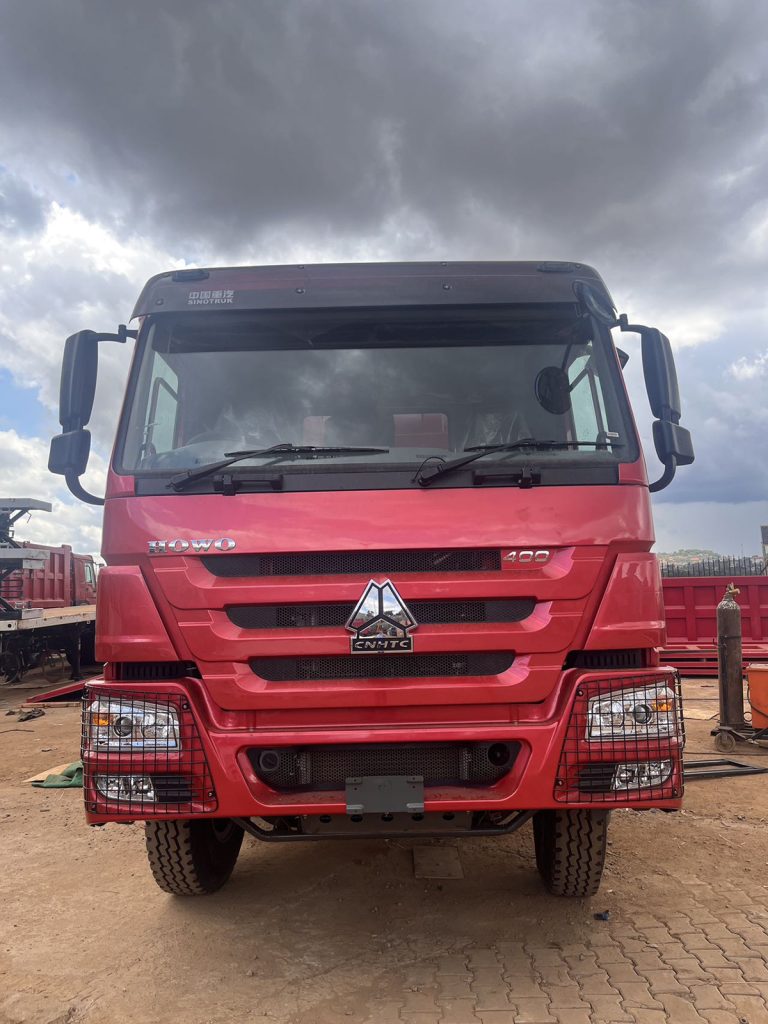
Sino truck Driving Course in Uganda |10 tyre Truck Driving Course

Sino Truck Driving Course in Uganda prepares you to operate 10 tyre trucks for transport and logistics, with hands-on driving, load control & real-road safety
The Rise of Female Heavy Machinery Operators in Uganda

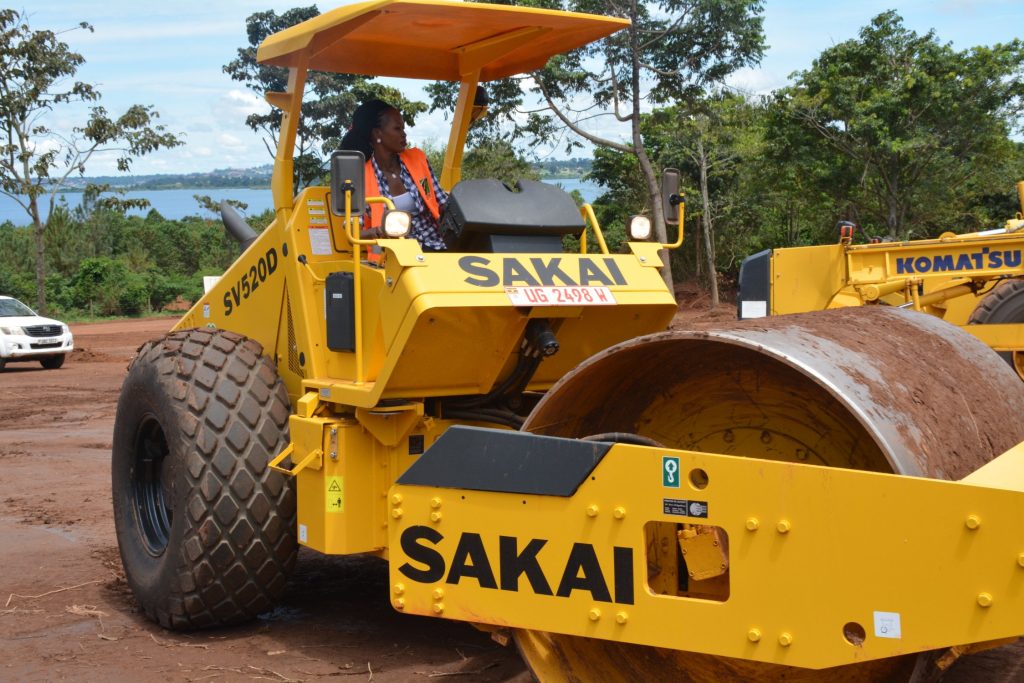
Roller Training in Uganda | Compactor operator

Roller Training in Uganda gives you practical compactor operation skills for road construction, site prep & earthwork
Heavy Machinery Training Duration in Uganda

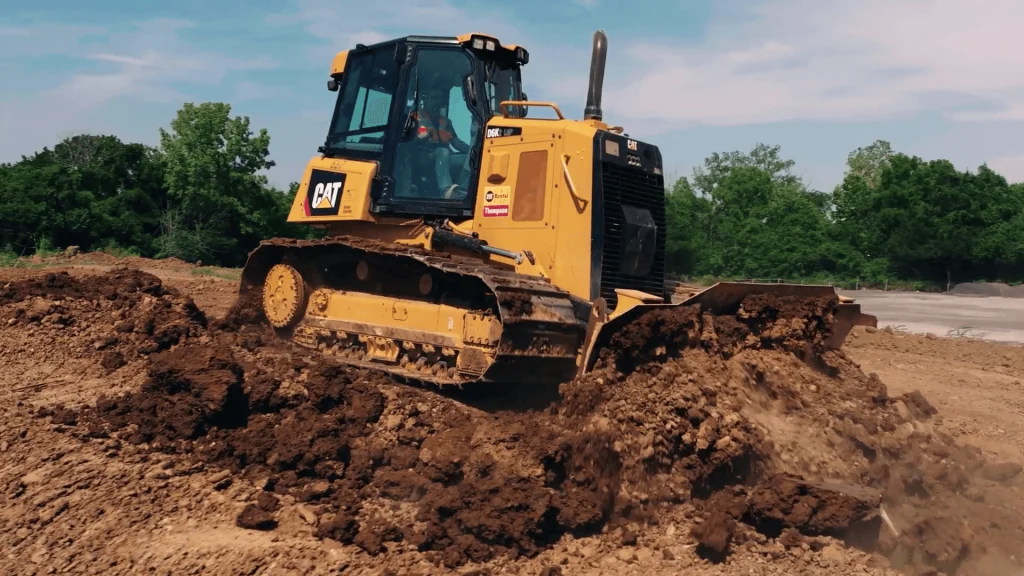
Bull dozer Training in Uganda | Bull dozer operator

Bulldozer Training in Uganda gives you hands-on experience in land clearing, grading & safe machine operation ideal for careers in construction & earthmoving

Class B Driving Course in Uganda

Class B Driving Course in Uganda teaches you to handle light vehicles safely & confidently, with practical road sessions & guidance to pass your driver’s tests

Test the safety features

A machine is only as safe as its safety systems allow it to be, so you should become familiar with the safety features fitted to the particular equipment you are operating.

Depending on the machine, these may include warning alarms, horns, lights, emergency stops, reversing alarms, parking brakes, interlocks and other protective systems.

You should follow the manufacturer’s instructions for checking these systems because not every machine operates in exactly the same way.

If a critical safety feature is faulty, the machine should not simply be treated as normal equipment. Report the problem and ensure that the appropriate person assesses it before the machine is put into service.

Think about the worksite before you move

Your responsibility does not stop at the machine itself because a perfectly maintained machine can still become dangerous when operated in an unsafe environment.

Before moving, look around the working area and consider the condition of the ground, nearby workers, other equipment, overhead power lines, excavations, structures, traffic routes and restricted areas.

You should know where you are expected to work and understand the movement of people and machines around you. If visibility is restricted, identify how communication with other workers will be managed, particularly when reversing or working in congested areas.

This is where the training received at Machinery Training Uganda Institute becomes particularly practical because machine operation is not simply about controlling levers and pedals; it is about understanding the relationship between the equipment, the operator and the environment.

Make sure you understand the job

Before you start the machine, you should also know what you are expected to accomplish. Understand the task, the material involved, the working area and any limitations placed on the machine.

If you are going to lift, excavate, grade, load or move materials, you need to operate within the machine’s intended capabilities and follow the relevant operating procedures.

Never allow pressure from other workers to push you into operating beyond the machine’s safe limits. A skilled operator knows that being productive does not mean working recklessly fast; it means completing the task safely, accurately and efficiently.

What if you find a problem?

This is where your judgement as an operator becomes extremely important. You may discover a minor issue that can be reported and addressed according to workplace procedure, or you may find a serious defect that makes the machine unsafe to operate.

In either situation, do not ignore what you have found. Record or report the problem through the correct channel and, where required, keep the machine out of service until an authorized person has inspected or repaired it.

You should also avoid carrying out repairs beyond your training or authority because an attempt to fix a complex mechanical or hydraulic fault without the necessary knowledge can create a greater problem or expose you to serious injury.

One more thing to put at the back of your mind is that a good operator does not rush the inspection

When you are eager to get onto a machine, the inspection can feel like a delay, especially when other people are already waiting for work to begin.

However, those few minutes spent checking the equipment can make a significant difference to the safety of your entire working period.

The strongest operators are not necessarily those who start the fastest; they are the ones who understand their equipment well enough to recognize when something is normal and when something needs attention.

Developing this habit during training makes it easier to carry the same discipline into a real construction site, quarry, farm, warehouse or other working environment.

Starting the machine is the final step, not the first

The moment the engine comes to life you should have established that the machine and its working environment are reasonably safe and ready for operation.

Once you have completed your checks, positioned yourself correctly, secured your seat belt and ensured that the surrounding area is clear, you can start the machine according to the manufacturer’s operating procedure.

Even then, remain alert because the inspection does not replace good judgement during operation. Conditions can change, warning signs can appear and other people can enter the working area, meaning you must continue monitoring the machine and your surroundings throughout the task.

Conclusion

Knowing what to check before starting a heavy machine is one of the foundations of professional equipment operation.

A careful walk-around, fluid inspection, hydraulic check, tire or track inspection, attachment check, cab inspection, dashboard review and worksite assessment can help you identify problems before they become accidents or costly breakdowns.

At Machinery Training Uganda Institute, the goal is not simply to teach you how to make a machine move, but to develop the awareness and discipline required to operate it responsibly.

If you want to build practical skills that prepare you for real machine operation, start your training with the right habits from day one. Enroll with MTU and have a prosperous career in heavy machinery operation.

Similar Articles...

What Should You Check Before Starting a Heavy Machine?

What Should You Check Before Starting a Heavy Machine?

The Role of Heavy Equipment in Uganda's Construction Industry

The Role of Heavy Equipment in Uganda’s Construction Industry

Heavy Machinery Training Duration in Uganda

Heavy Machinery Training Duration in Uganda

What are you still waiting for?

Join us to start a transformational journey to unlock limitless doors of heavy machinery opportunities. 

error: Content is protected !!