Challenges Facing Machinery Operators in Uganda

Home

Challenges Facing Machinery Operators in Uganda

Backhoe-loader practice

Challenges facing machinery Operators
If you are working as a machinery operator in Uganda or planning to become one, you are entering a field that is both promising and demanding.

Across the country, construction projects, road works, real estate developments, and industrial operations are increasing.

This growth has created a strong demand for skilled operators who can handle heavy equipment such as excavators, forklifts, graders, and loaders.

However, while the opportunities are expanding, the environment you will work in is not always ideal.

You are expected to deliver results efficiently, often under pressure, and sometimes without the level of support or structure that would make your job safer and easier.

The truth is, being a machinery operator is not just about knowing how to move a machine. It is about managing risk, maintaining awareness, and making decisions that affect not only your safety but also the safety of everyone around you.

Understanding the challenges you are likely to face is essential. It prepares you mentally and professionally, helping you avoid mistakes and position yourself for growth.

More importantly, it gives you the awareness needed to take control of your career instead of being limited by your environment.

Now let us run you through the challenges facing machinery operators in Uganda

1. Limited access to professional training

One of the most significant challenges you may face is limited access to structured, professional training.

Many operators in Uganda learn informally by watching others, assisting experienced operators, or being given the chance to try machines without formal guidance.

While this approach may help you gain basic familiarity, it often leaves serious gaps in your knowledge. You may learn how to move a machine, but not fully understand:

Without proper training, you are more likely to develop habits that feel efficient but are unsafe. Over time, these habits can lead to accidents or costly mistakes.

The absence of structured training also makes it harder for you to build confidence. You may constantly second-guess your decisions, especially in complex or high-risk situations.

This uncertainty can slow your performance and increase your stress levels on the job.

2. Inadequate safety awareness on worksites

Another challenge you are likely to encounter is inconsistent safety awareness across different worksites.

While some companies enforce strict safety standards, others prioritize speed and productivity over proper procedures.

You may find yourself in environments where:

  • Personal protective equipment (PPE) is not consistently used
  • Safety briefings are skipped or rushed
  • Hazard warnings are ignored
  • Workers move unpredictably around machinery

This creates a risky environment where even a skilled operator can be exposed to danger. The difficulty here is that you are not always in control of the entire worksite.

You may understand the importance of safety, but if others around you do not follow the same standards, your risk increases.

This makes it essential for you to remain disciplined, even when safety culture is weak.

Reccomended Courses

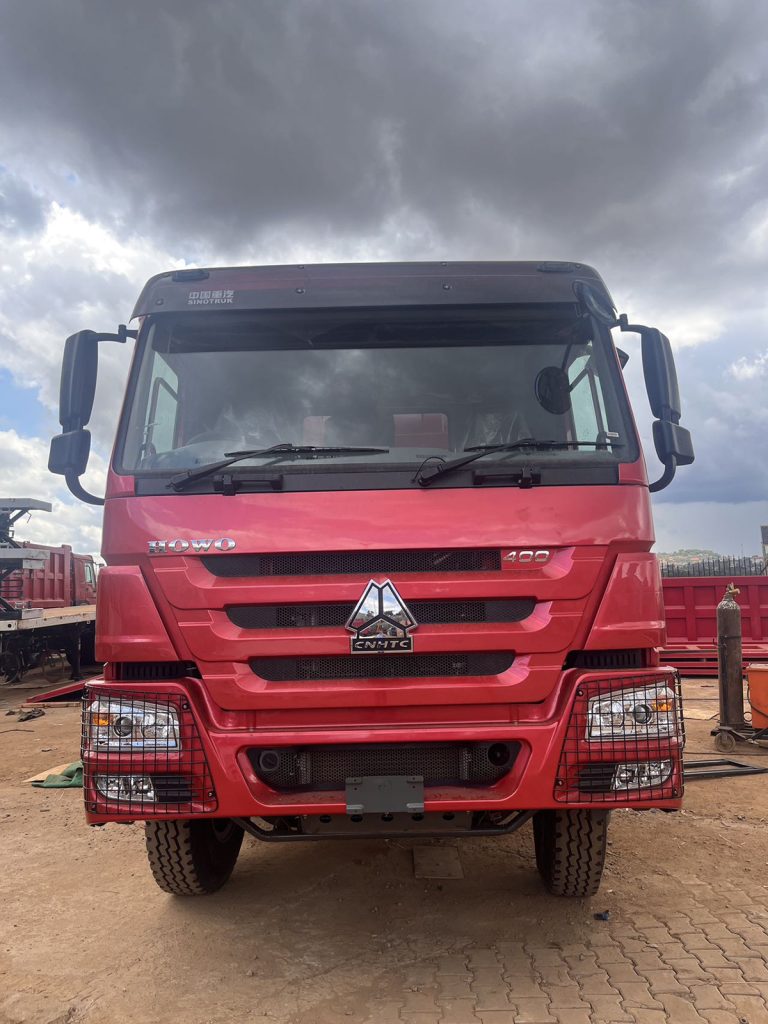
Sino truck Driving Course in Uganda |10 tyre Truck Driving Course

Sino Truck Driving Course in Uganda prepares you to operate 10 tyre trucks for transport and logistics, with hands-on driving, load control & real-road safety
compactor-training.

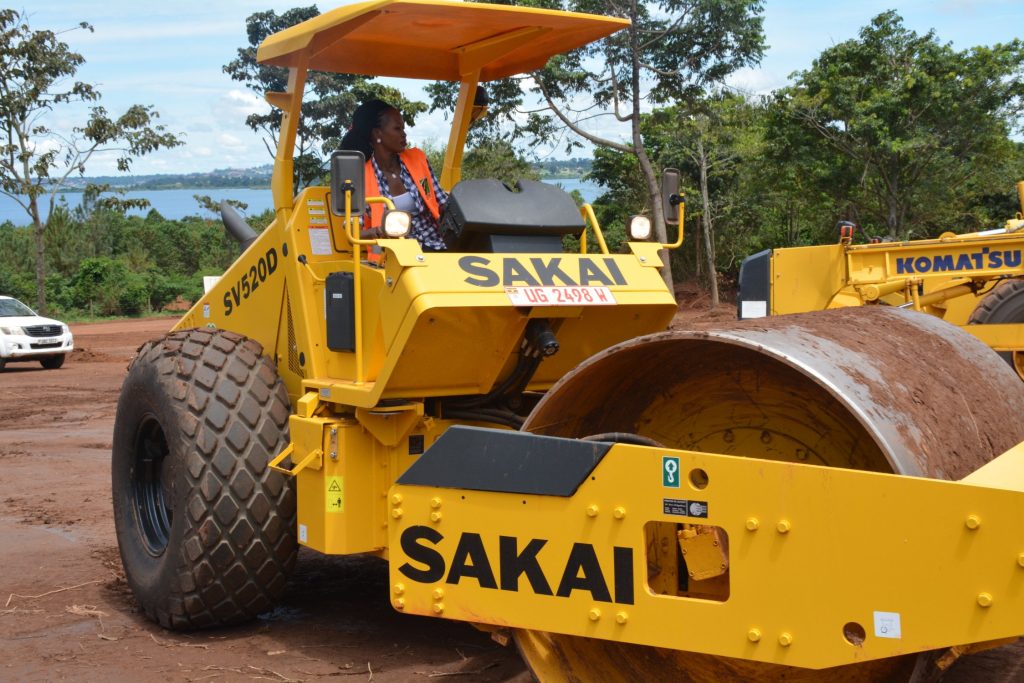
Roller Training in Uganda | Compactor operator

Roller Training in Uganda gives you practical compactor operation skills for road construction, site prep & earthwork
How to operate a bulldozer carefully

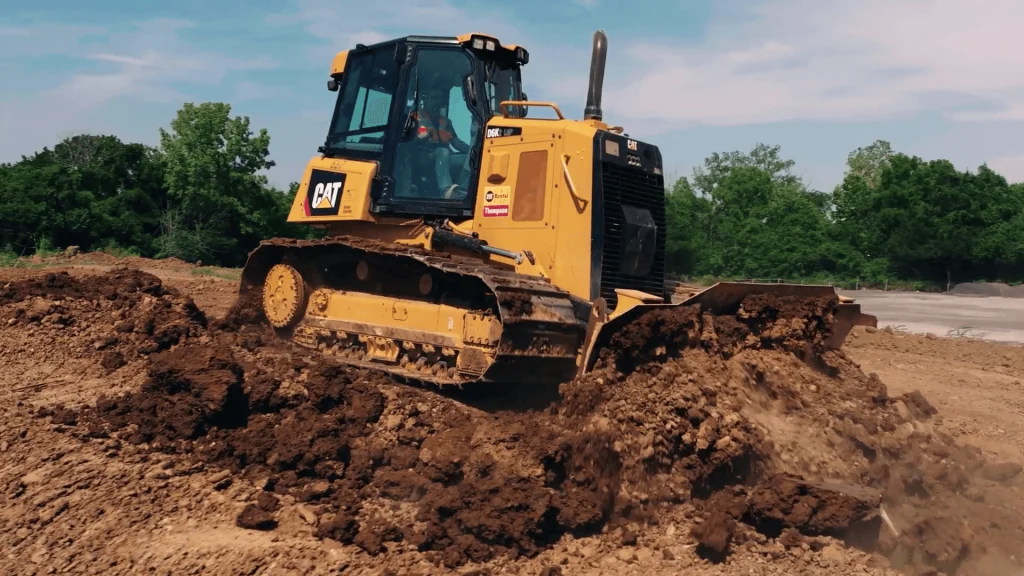
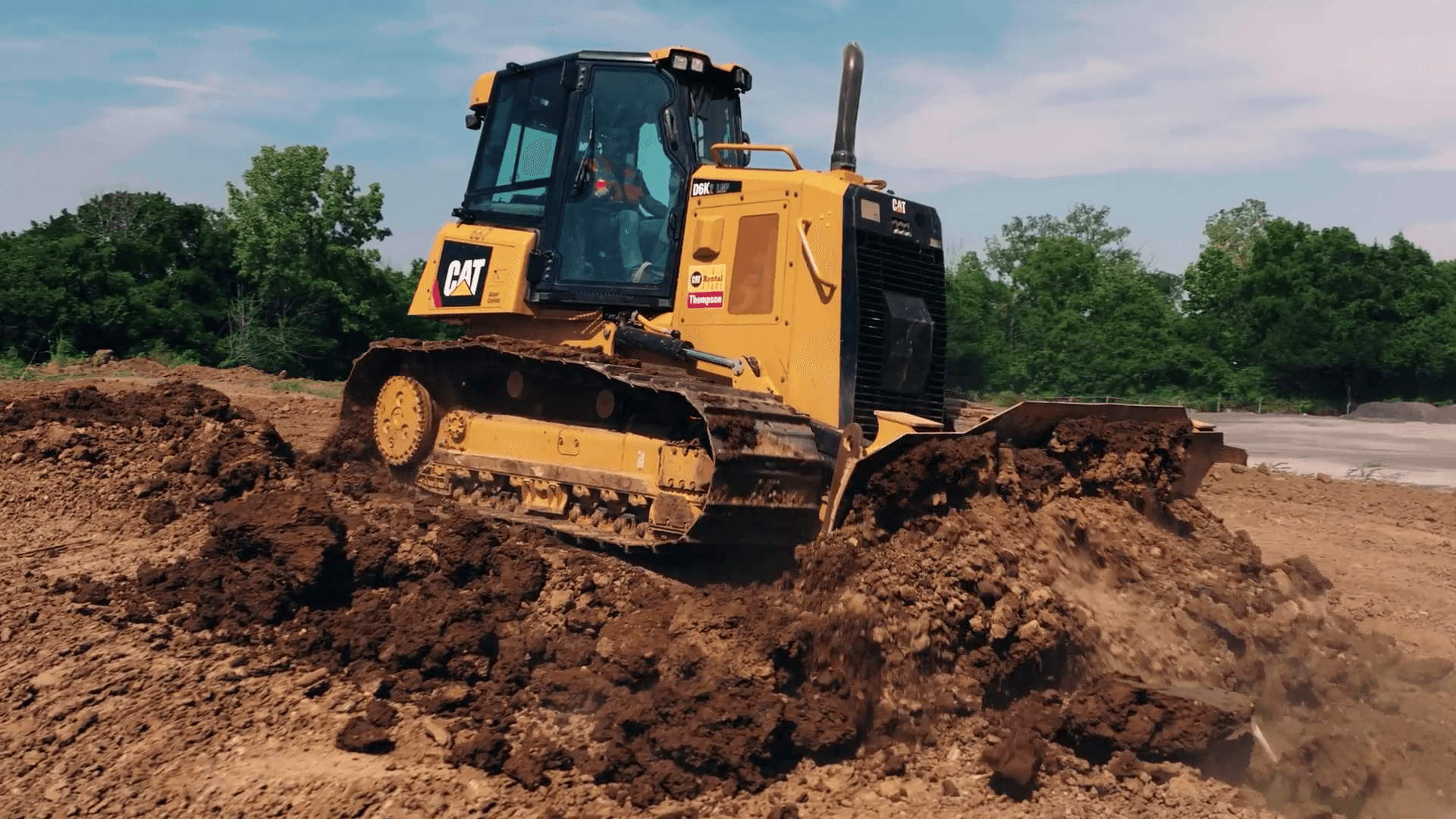
Bull dozer Training in Uganda | Bull dozer operator

Bulldozer Training in Uganda gives you hands-on experience in land clearing, grading & safe machine operation ideal for careers in construction & earthmoving

Class B Driving Course in Uganda

Class B Driving Course in Uganda teaches you to handle light vehicles safely & confidently, with practical road sessions & guidance to pass your driver’s tests

3. Poor equipment maintenance

Operating machinery that is not properly maintained is a serious challenge. In some cases, companies delay servicing equipment to reduce costs or avoid downtime.

As a result, you may be required to work with machines that are not in optimal condition. Some of the common issues that might arise from this include:

  • Faulty brakes or hydraulic systems
  • Worn-out components
  • Leaking fluids
  • Unresponsive controls

These problems can affect how the machine behaves, making it unpredictable and dangerous to operate.

Even if you are skilled, poor equipment condition can put you at risk. It can also affect your productivity, as breakdowns and inefficiencies slow down your work.

This situation requires you to be more vigilant. You must pay close attention to your machine and be willing to report faults, even if it causes delays.

4. High work pressure and tight deadlines

In many projects, time is a critical factor. Contractors and supervisors often work under tight deadlines, which can create pressure for you as an operator.

You may be expected to complete tasks quickly, work extended hours and operate continuously with minimal breaks. This pressure can lead to fatigue, which is one of the most dangerous conditions for an operator.

When you are tired, your reaction time slows down, your concentration decreases, and your ability to make sound decisions is affected.

In such situations, the temptation to rush or take shortcuts increases. However, rushing often leads to mistakes and in machinery operation, even a small mistake can have serious consequences.

5. Limited career growth opportunities

Without formal certification or advanced training, your career growth may be limited. Many operators rely solely on experience, which, while valuable, is not always enough to secure better opportunities.

You may find yourself stuck in low-paying positions, overlooked for promotions and competing with certified operators for the same roles

Employers increasingly prefer operators who can demonstrate both skill and formal training. Without this combination, it becomes difficult to stand out in the job market.

This challenge highlights the importance of investing in your own development. Relying only on experience may hold you back in the long run.

6. Weak communication and coordination on site

Machinery operation requires constant coordination with others on site. You are not working alone but you are part of a system that includes ground workers, supervisors, and other operators.

Poor communication can create serious risks. You may encounter situations where signals are unclear or misunderstood, instructions are not properly communicated and workers move into unsafe areas without warning. These issues can lead to accidents, even when you are operating correctly.

Effective communication is not always emphasized on worksites, which makes it your responsibility to ensure clarity in your interactions.  You must stay alert and confirm instructions whenever necessary.

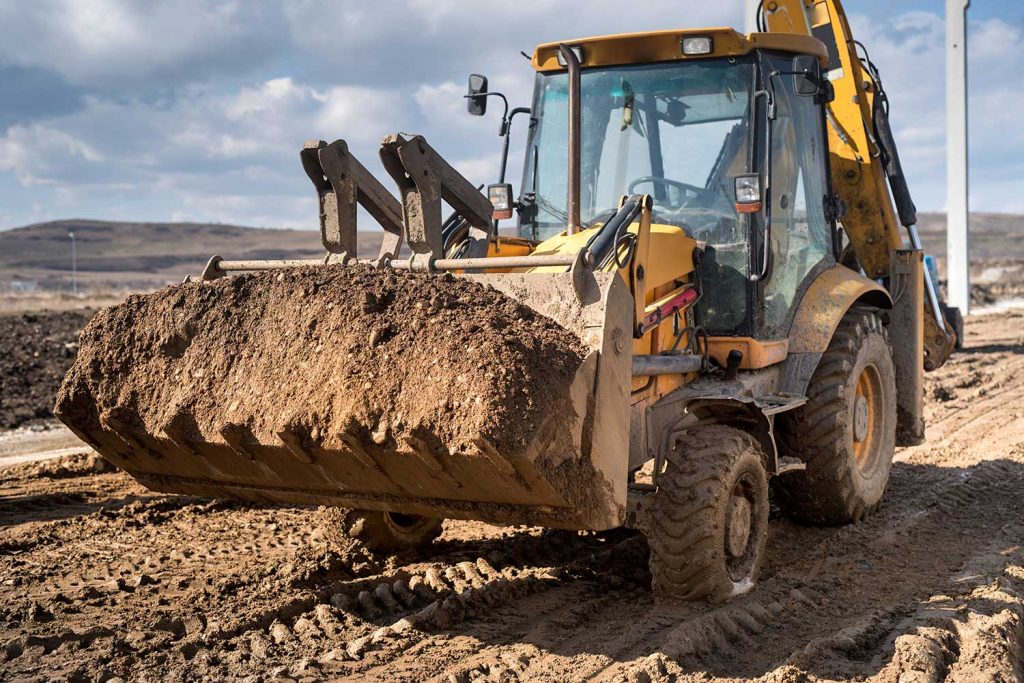
7. Environmental and site conditions

Uganda presents a wide range of working environments, each with its own challenges. You may be required to operate machinery in:

  • Muddy or slippery terrain during rainy seasons
  • Congested urban construction sites
  • Remote areas with limited infrastructure

These conditions affect how your machine performs and increase the level of difficulty in your work.

For example, unstable ground can affect machine balance, while tight spaces require precise control and awareness. Without proper preparation, these environments can quickly become hazardous.

With all that understood now have look on how to overcome these challenges

While these challenges are real, they are not impossible to overcome. The key is to take a proactive approach to your safety, skills, and professional growth.

Start by investing in proper training. A structured learning environment helps you build a strong foundation and correct any unsafe habits. It also gives you confidence in your abilities.

Make safety your personal responsibility. Even if others ignore it, you should always:

  • Use the correct protective equipment
  • Follow safe operating procedures
  • Stay aware of your surroundings

Take time to understand your machine. Perform pre-operation checks and never ignore warning signs. If something feels wrong, address it immediately.

Manage pressure by maintaining discipline. Avoid rushing, and take breaks when needed to stay focused.

Improve your communication skills. Learn standard signals and ensure clear interaction with your team.

Finally, commit to continuous learning. Seek opportunities to upgrade your skills and obtain certification. This will improve both your safety and your career prospects.

Building a strong foundation with the right training

Overcoming these challenges becomes much easier when you have the right training and support. This is where institutions like Machinery Training Uganda come in.

As an aspiring or current operator, you need more than just access to machinery. You need structured guidance, practical experience, and a strong focus on safety.

At Machinery Training Uganda, training is designed to prepare you for real-world conditions. You are not just learning how to operate machines but you are taught how to operate them safely, efficiently, and professionally.

  • The training approach focuses on:
  • Hands-on practical sessions
  • Understanding machine behavior and limitations
  • Developing strong safety habits
  • Preparing for actual worksite challenges

This kind of environment allows you to learn without unnecessary risk. You can make mistakes, receive guidance, and improve before entering a live worksite.

More importantly, it helps you build confidence. When you step into the field, you are not guessing but you are applying what you have already learned and practiced.

Training at Machinery Training Uganda also positions you for better opportunities. With proper skills and certification, you stand out in the job market and increase your chances of securing stable, well-paying work.

Conclusion

Being a machinery operator in Uganda comes with both challenges and opportunities. The environment may not always be perfect, but your preparation can make all the difference.

When you understand the challenges regarding limited training, safety issues, equipment problems, and work pressure you are better equipped to handle them.

More importantly, when you take steps to improve yourself, you move from simply surviving in the industry to thriving in it.

Investing in proper training, maintaining discipline, and committing to continuous learning will set you apart as a professional operator.

With the support of institutions like Machinery Training Uganda, you can build the skills, confidence, and safety awareness needed to succeed.

The challenges are real, but they do not define your future. Your preparation does.

To sustain yourself in perfection to erase these challenges just click the Apply button and enroll with MTU for better training to enhance your safety as an operator

Similar Articles...

Challenges Facing Machinery Operators in Uganda

Challenges Facing Machinery Operators in Uganda

6 Heavy Machines Beginners Must Master for Work in Uganda

6 Heavy Machines Beginners Must Master for Work in Uganda

forklift-training

Top 5 Skills Every Forklift Operator Needs in Uganda

What are you still waiting for?

Join us to start a transformational journey to unlock limitless doors of heavy machinery opportunities. 

error: Content is protected !!