Heavy equipment training can be the difference between securing a rewarding career and struggling to find opportunities in Uganda’s growing construction, mining, agriculture, and infrastructure sectors.
But with many training institutions claiming to offer the best courses, how do you know which one is worth your investment?
Choosing the right school is more than comparing fees. It is about finding a training institution that equips you with practical machinery skills, industry knowledge, and the confidence to operate heavy equipment safely and professionally.
At Machinery Training Uganda, we believe quality training goes beyond the classroom.
Our programs are designed to provide extensive hands-on experience, expert instruction, and industry-relevant skills that prepare every trainee to operate heavy equipment safely, confidently, and professionally in Uganda’s growing construction and industrial sectors.
If your dream is to become a skilled machine operator, understanding what makes a good heavy equipment training school in Uganda is the first step toward achieving your career goals.
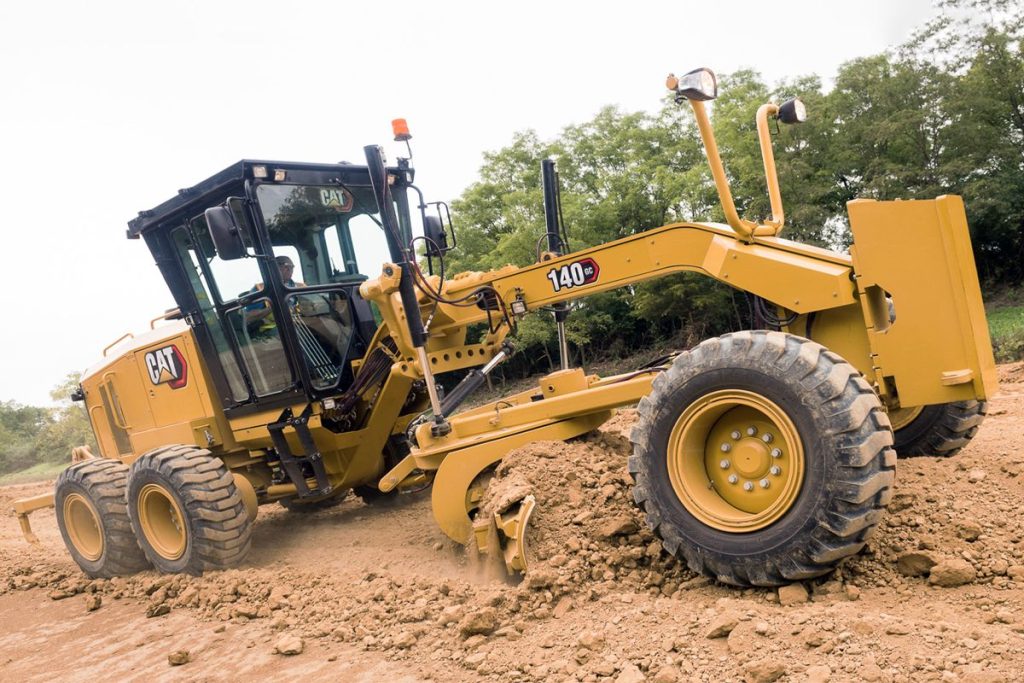
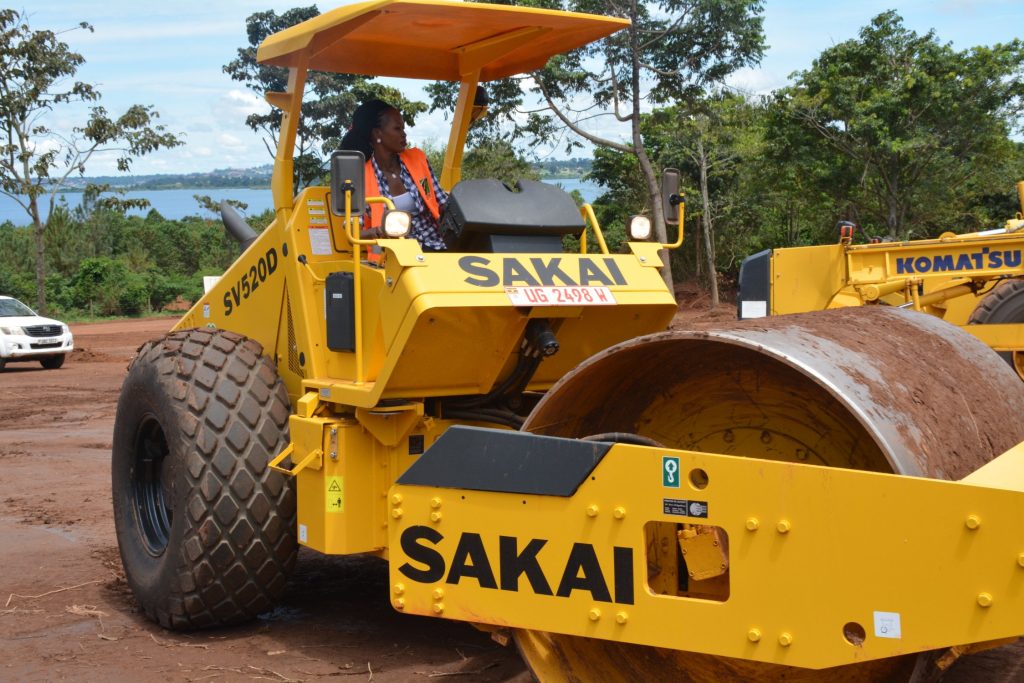
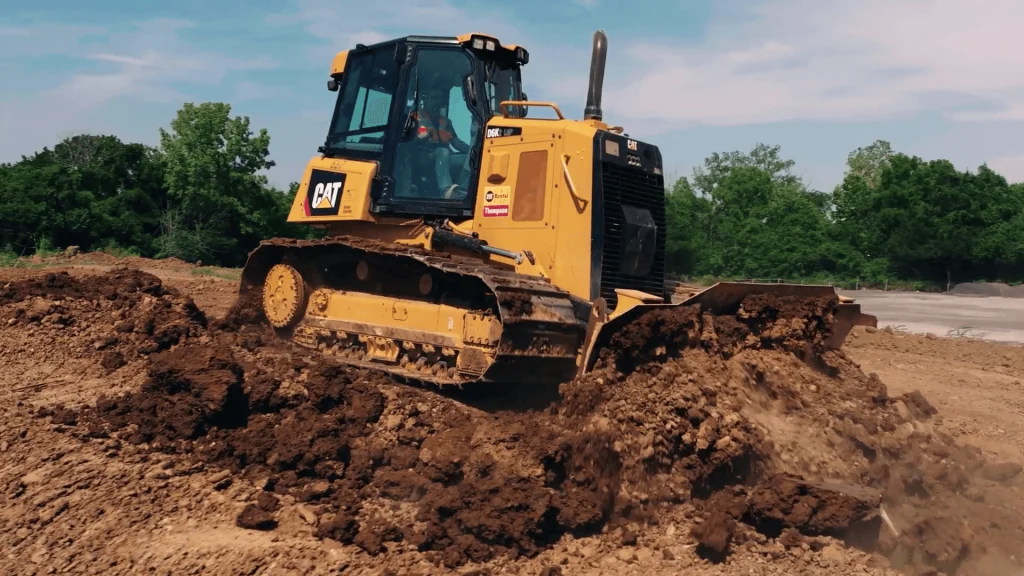
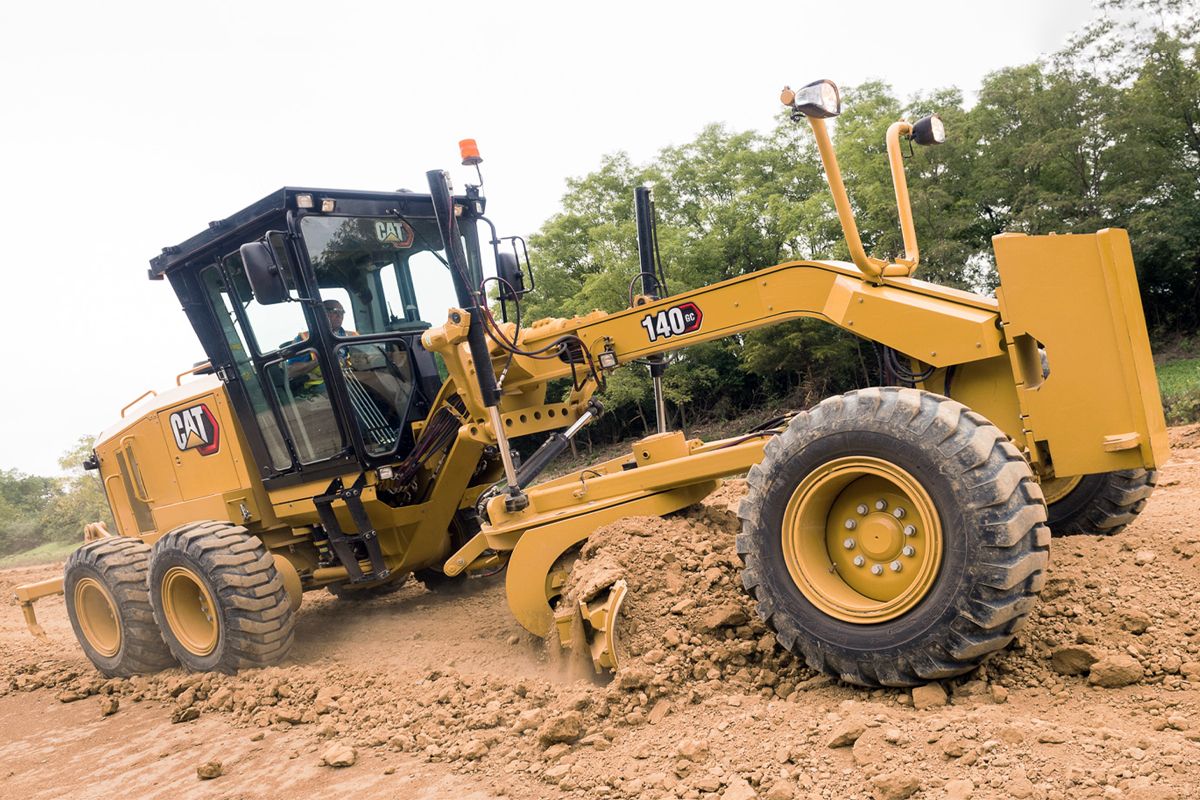
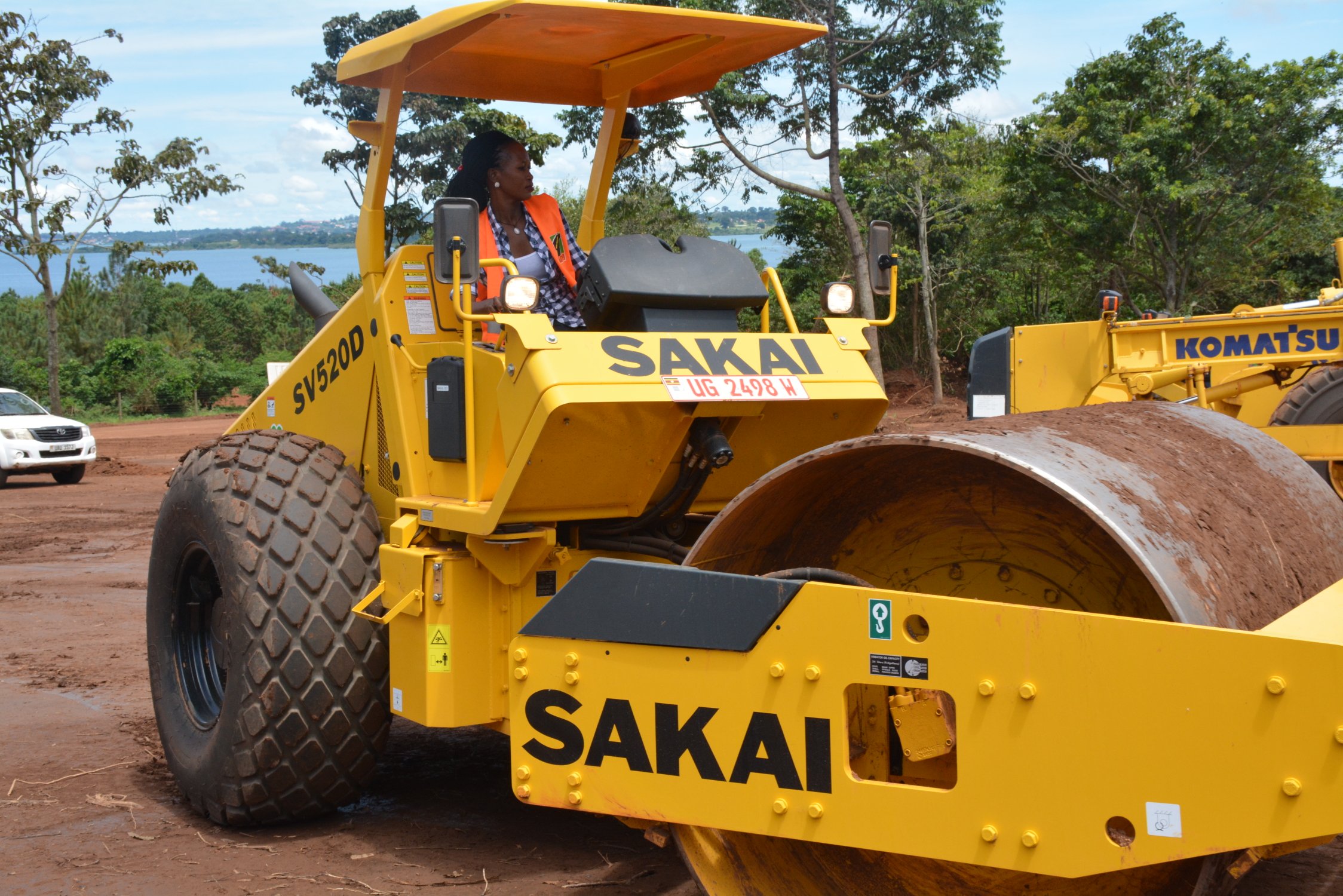
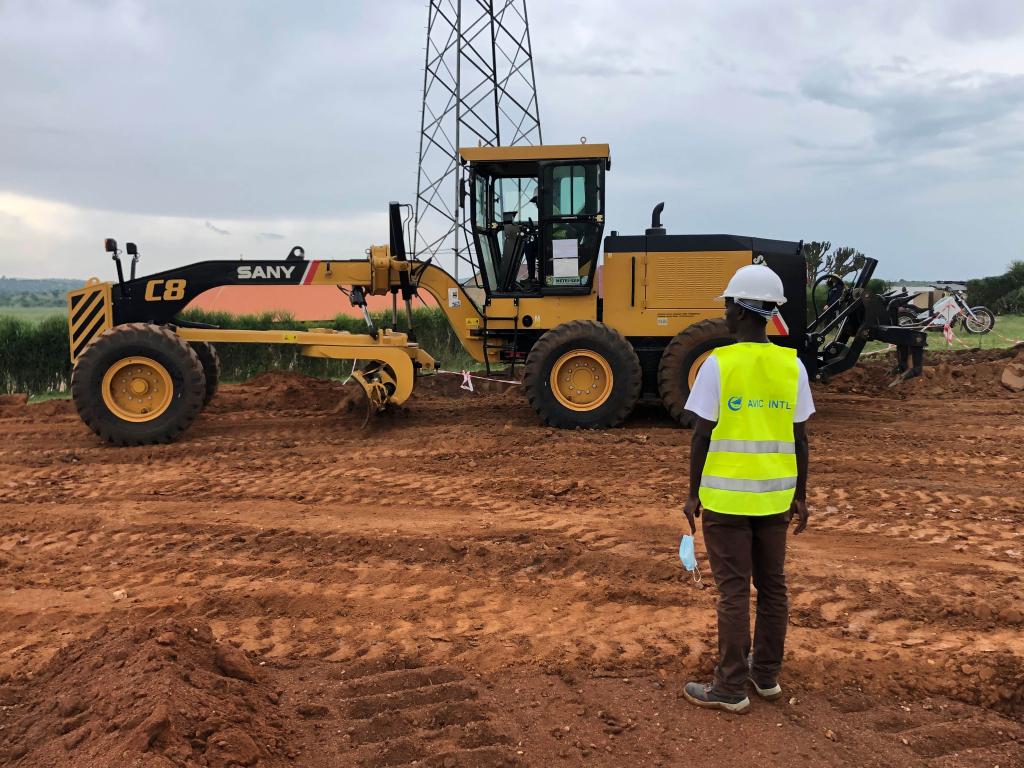
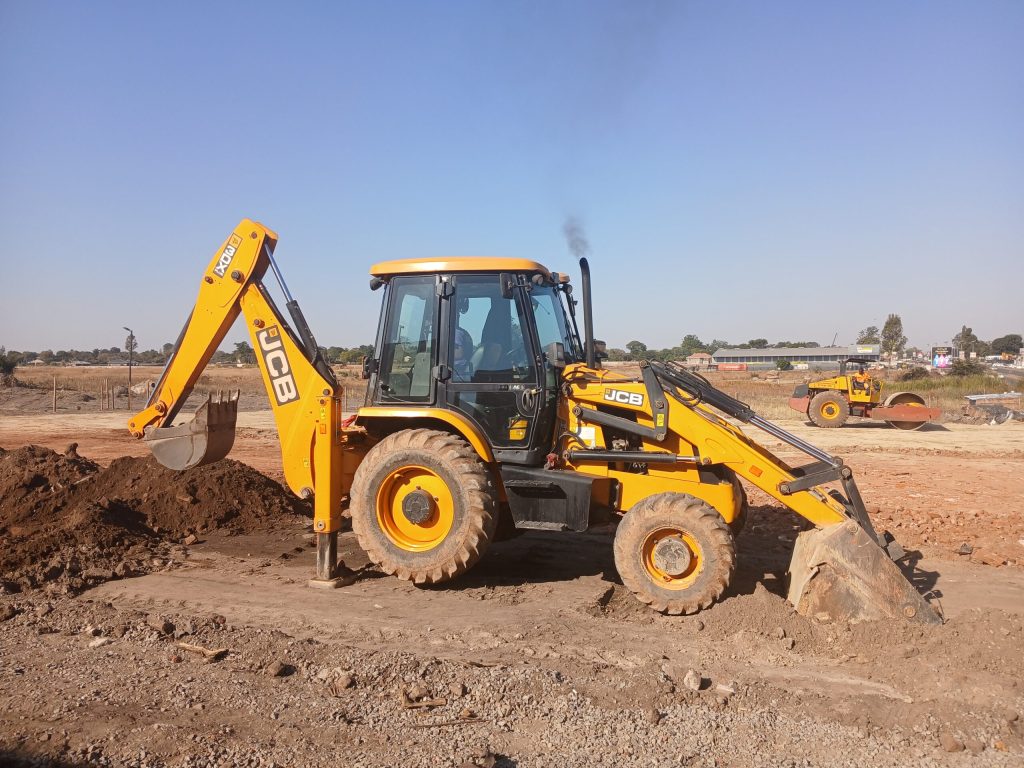
Operating heavy machinery is a serious responsibility. Excavators, bulldozers, graders, wheel loaders, forklifts, cranes, and other construction equipment require trained professionals who understand both machine operation and workplace safety.
A quality Heavy Equipment Training program teaches you much more than moving a machine from one point to another.
It develops your understanding of machine controls, daily inspections, preventive maintenance, safety procedures, hazard identification, fuel efficiency, and real job-site operations.
When you receive professional machinery training, you become a valuable asset to employers because you are prepared to work safely, efficiently, and confidently from your first day on site.
Practical machinery training should be the priority
One of the biggest signs of a good training school is the amount of practical machinery training it provides.
Reading manuals and attending classroom lessons are important, but they cannot replace time spent operating real equipment.
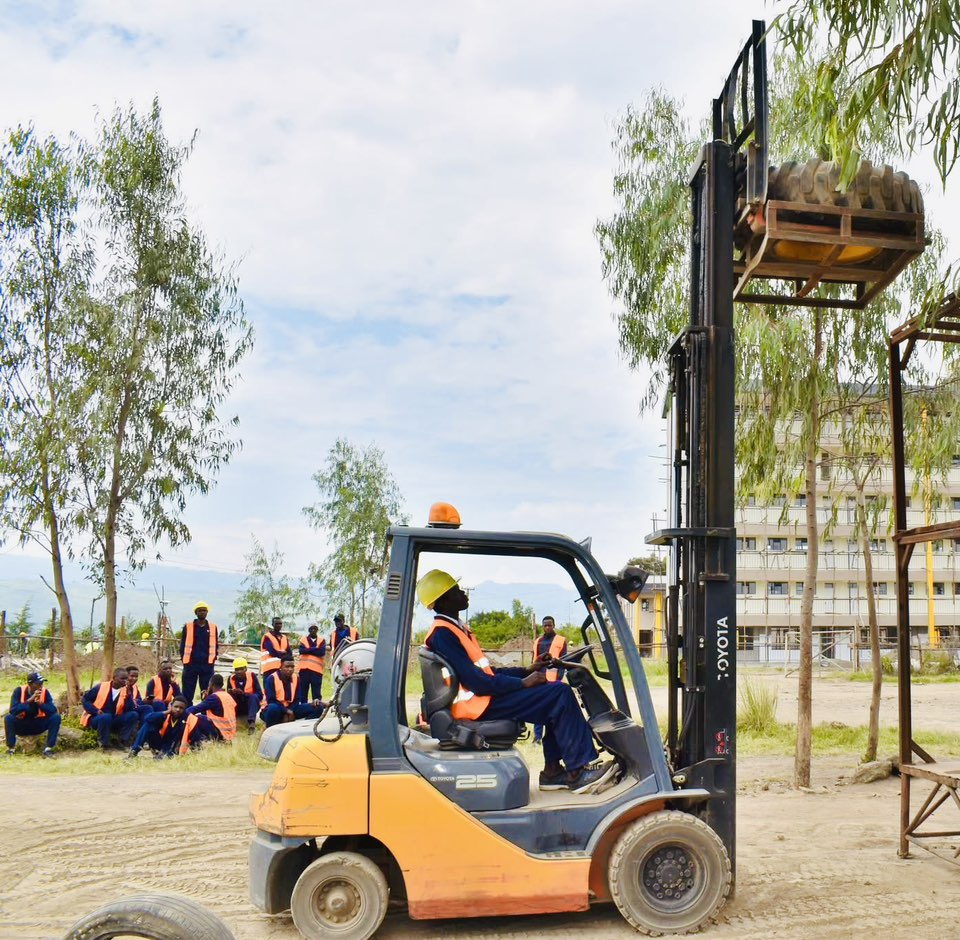
A reputable institution allows you to spend adequate hours handling different heavy machines under the guidance of experienced instructors.
Practical sessions help you build confidence, improve machine control, and understand how equipment behaves under different working conditions.
The more practical experience you gain during Heavy Equipment Training, the more prepared you become for real employment.
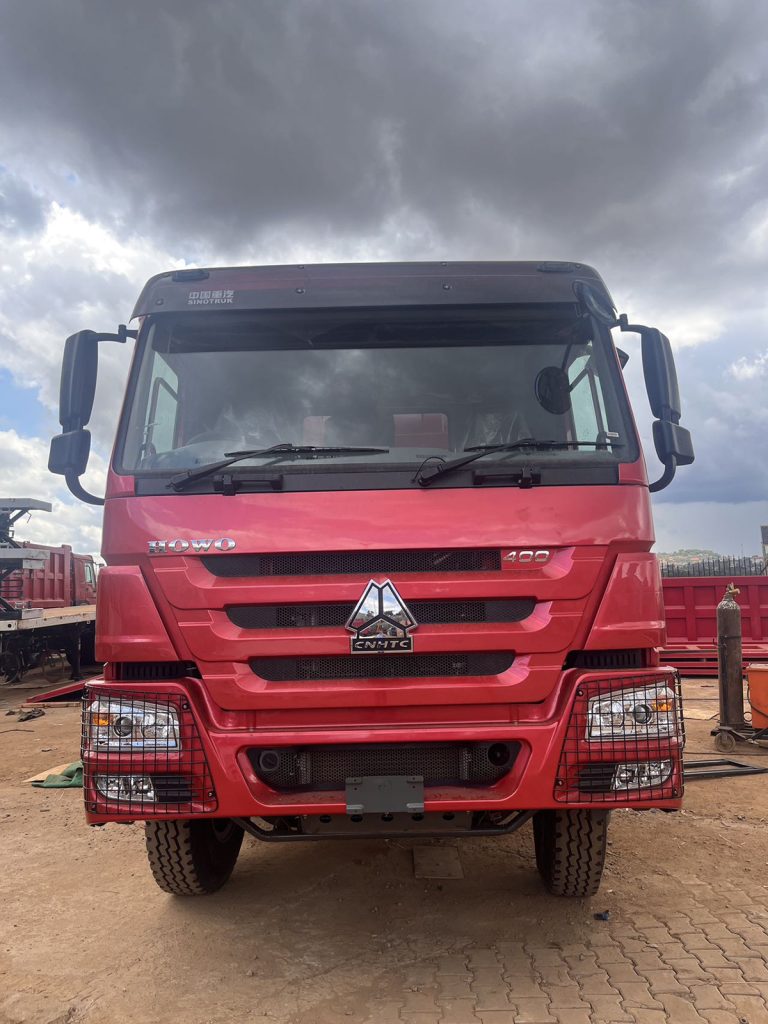
Experienced instructors make a huge difference
A good Heavy Equipment Training school is only as strong as its instructors. Learning from trainers who have years of field experience gives you valuable insights that cannot be found in textbooks alone.
Experienced instructors explain how machines are used on actual construction sites, demonstrate safe operating techniques, share troubleshooting methods, and prepare you for challenges you are likely to encounter in the workplace.
Their mentorship helps you become not just a machine operator but a professional capable of working in different industries.
Modern equipment creates better operators
Technology continues to transform the heavy equipment industry. Modern excavators, loaders, forklifts, and other machinery now include advanced hydraulic systems, electronic controls, monitoring displays, and fuel-efficient technologies.
A quality heavy equipment training school invests in modern equipment so trainees can learn using machines similar to those used by employers.
Familiarity with current machinery increases your confidence and makes the transition from training to employment much easier.
Safety should be at the center of every training program
Professional machinery training begins with safety. Every operator must understand that accidents can be prevented through proper procedures and responsible machine operation.
A reputable Heavy Equipment Training emphasizes personal protective equipment, machine inspections and site awareness, emergency procedures, load handling, communication with ground personnel, and risk assessment throughout the training program.
Employers prefer operators who prioritize safety because it protects people, equipment, and project timelines.
Comprehensive theory and practical learning work together
The best heavy equipment training programs balance classroom instruction with hands-on experience.
Theory helps you understand machine components, hydraulic systems, engine basics, operating principles, maintenance requirements, and safety regulations.
Practical sessions then reinforce this knowledge by allowing you to apply what you have learned on real machinery.
This combination produces competent operators who understand not only how to operate equipment but also why machines function the way they do.
Industry-recognized certification improves employment opportunities
Completing heavy equipment training should leave you with more than practical skills.
A recognized certificate demonstrates to employers that you have successfully completed professional machinery training and possess the knowledge required to operate equipment safely.
Whether you plan to work in construction, road projects, mining, agriculture, or logistics, having credible certification strengthens your CV and increases your chances of securing employment in Uganda and beyond.
Career support shows a school cares about your success
A good heavy equipment training school does not stop supporting learners after graduation.
Institutions that maintain relationships with construction companies, contractors, and employers often help you access internships, attachments, or job opportunities.
Career guidance, interview preparation, and networking opportunities demonstrate that a school is committed to helping you build a long-term career rather than simply completing a course.
Choose a school that builds confidence and professionalism
Learning to operate heavy machinery is about more than mastering machine controls. It is about developing professionalism, discipline, responsibility, and confidence.
A quality heavy equipment training school creates an environment where you’re encouraged to ask questions, practice consistently, and improve every day.
These qualities prepare you to perform professionally in demanding work environments while meeting employer expectations.
Finding the right heavy equipment training school in Uganda is one of the most important decisions you will make if you want a successful career in machinery operation.
The best schools combine experienced instructors, extensive practical machinery training, modern equipment and strong safety practices.
The school should also award you recognized certification to prepare you for today’s competitive job market.
Investing in quality training today opens the door to better skills, greater confidence, and long-term employment opportunities.
If at all you’re ready to build a rewarding career as a professional machine operator, Enroll with Machinery Training Uganda and gain hands-on machinery experience, earn industry-recognized certification, and take the first step toward securing your future.
Join us to start a transformational journey to unlock limitless doors of heavy machinery opportunities.
Machinery Training Uganda is a reputable and leading Heavy Machinery Training Centre offering affordable training courses in Trailer, Excavator, grader, forklift, sino trucks and more.
+256 772 069 909
+256 749 762 961
machineryuganda@gmail.com
Office #4 Agora Mall, Kireka, Kinawataka Rd Opposite Eco Petrol Station
Copyright Machinery Training Uganda © 2026 All Rights Reserved