Have you ever watched a skilled excavator operator effortlessly dig a trench, load a truck, or maneuver a machine through a tight construction site and wondered how they became so good at it?
Was it simply because they spent years reading books and studying machine manuals? Not quite.
The truth is that the best operators are not made in classrooms alone. They are developed through practical heavy machinery training.
If you dream of becoming a professional machine operator in Uganda, there is one thing you need to understand from the very beginning. Have it mind that experience matters.
While theory provides the foundation, practical heavy machinery training gives you the skills, confidence, and competence needed to operate equipment safely and effectively.
It is the difference between knowing what a machine does and actually knowing how to control it in real working conditions.
It’s at this point that you find time and engage with machinery Training Uganda. The institute does not only give foundations in theory but it goes further to enhance you with practical skills.
Having practical heavy machinery training is of a good advantage to you in that it prepares you for the realities of the workplace and helps you stand out in a competitive job market.
At its core, practical heavy machinery training is all about learning through direct experience.
Rather than spending all your time studying theories and diagrams, you gain hands-on exposure to real machines and real operating environments.
You learn how equipment behaves, how controls respond, and how different working conditions affect machine performance.
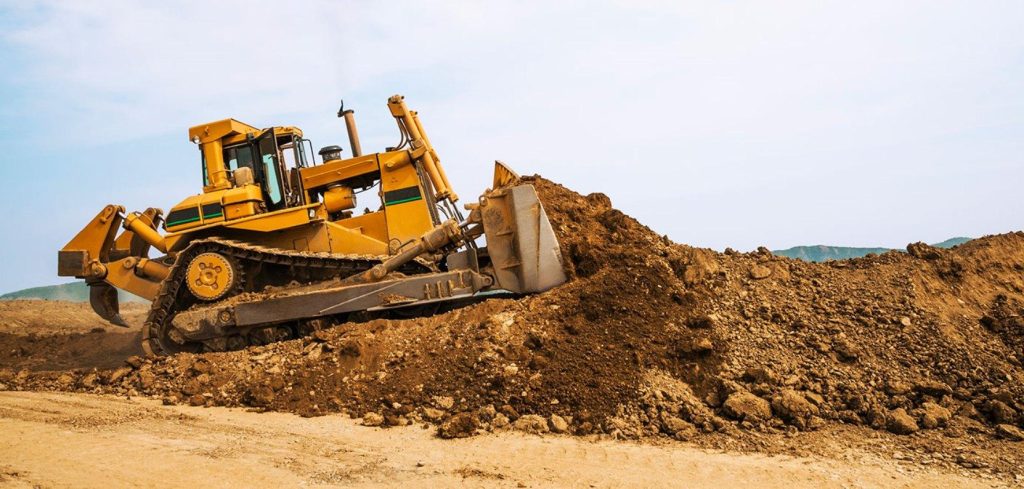
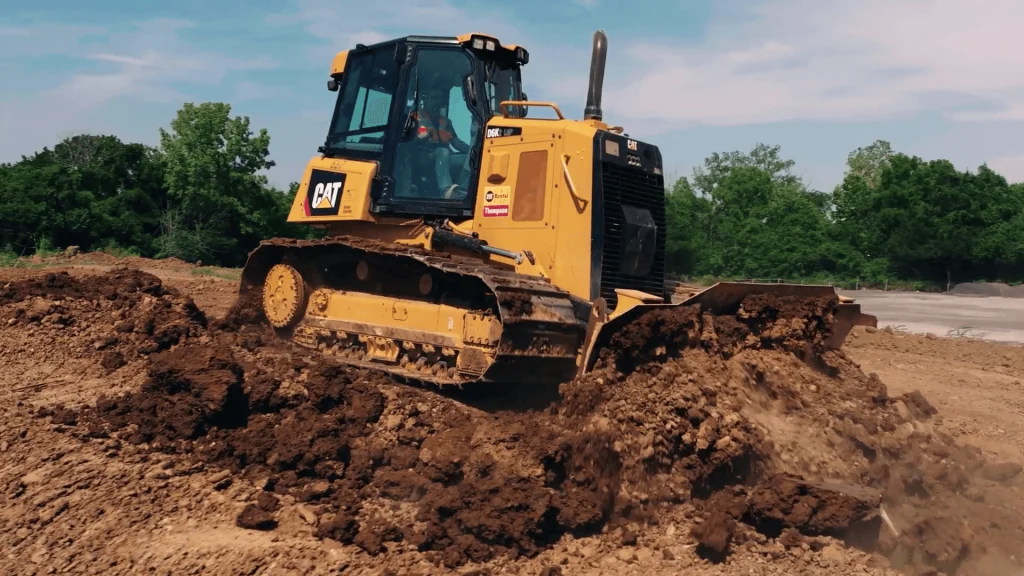
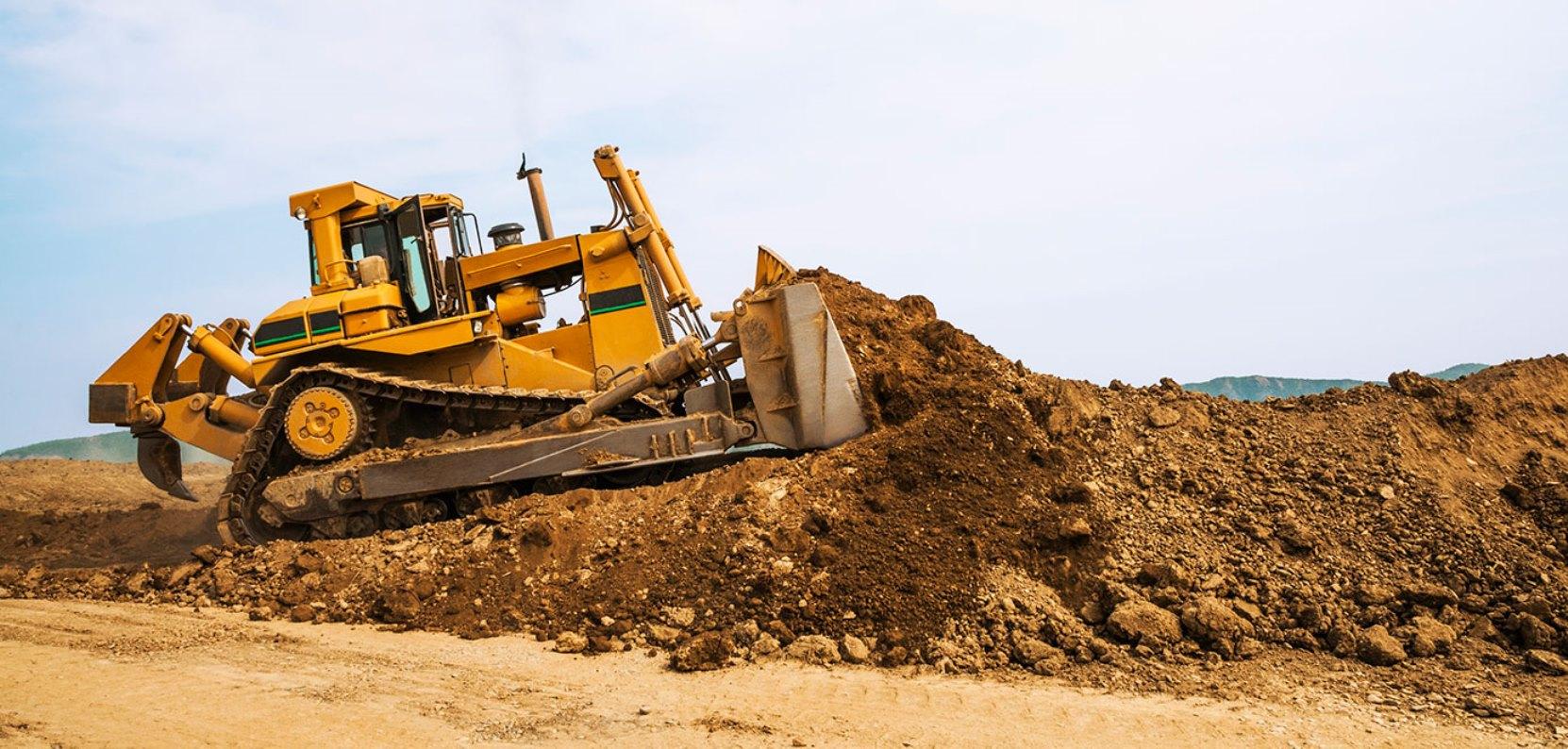
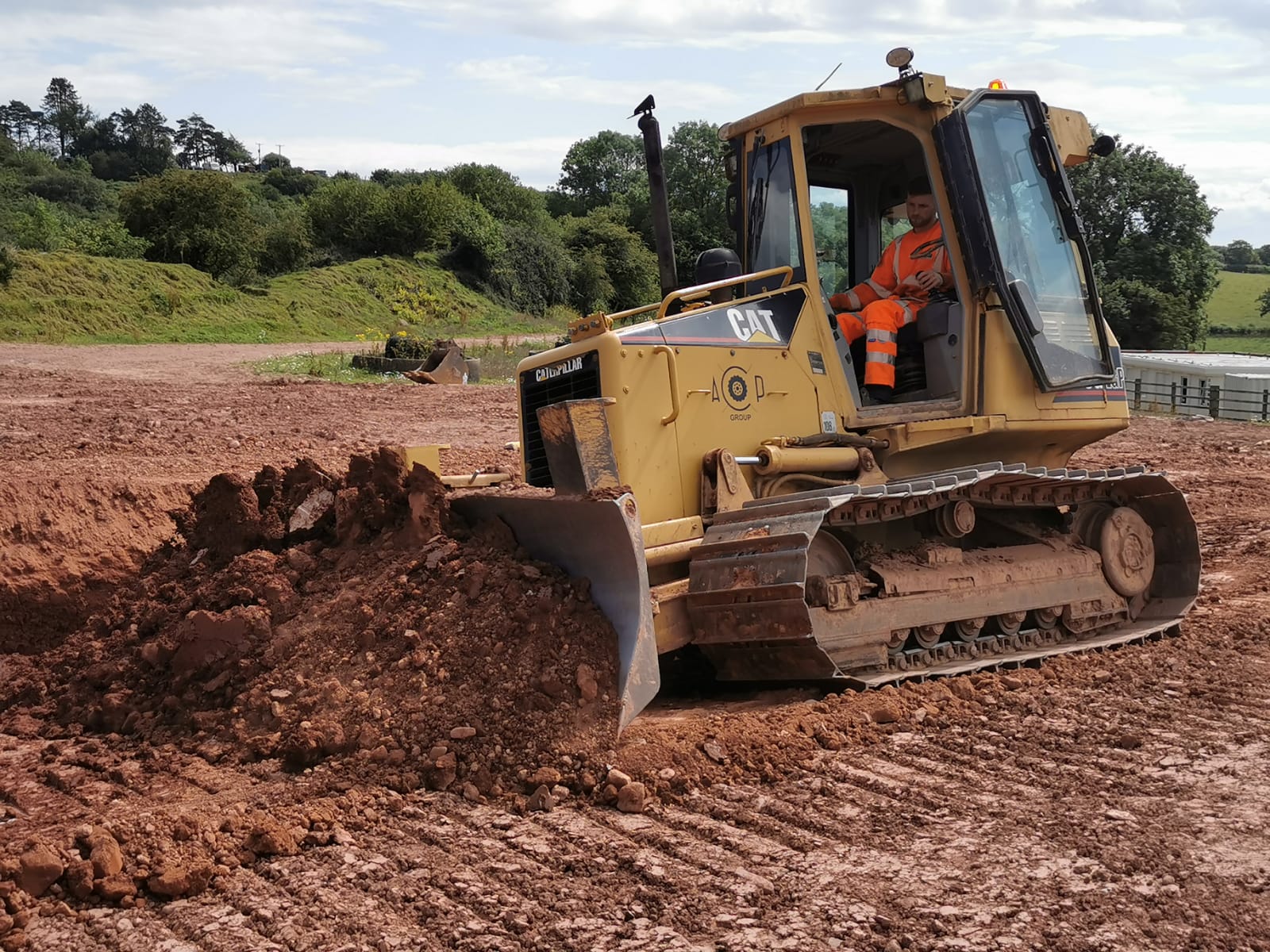
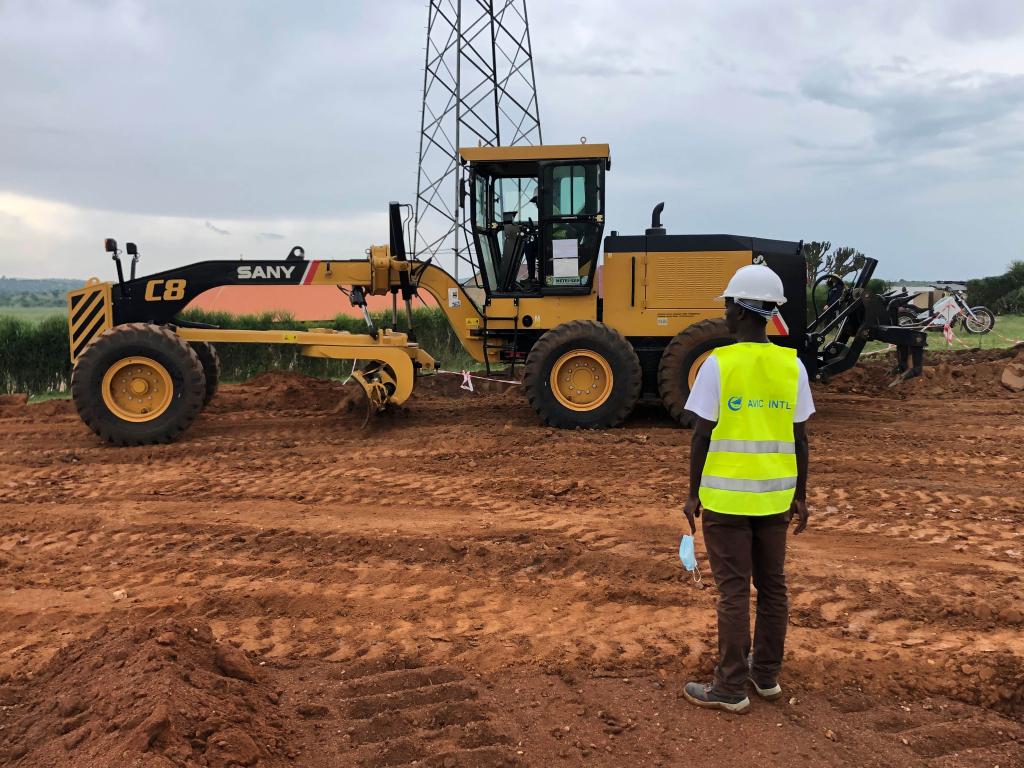
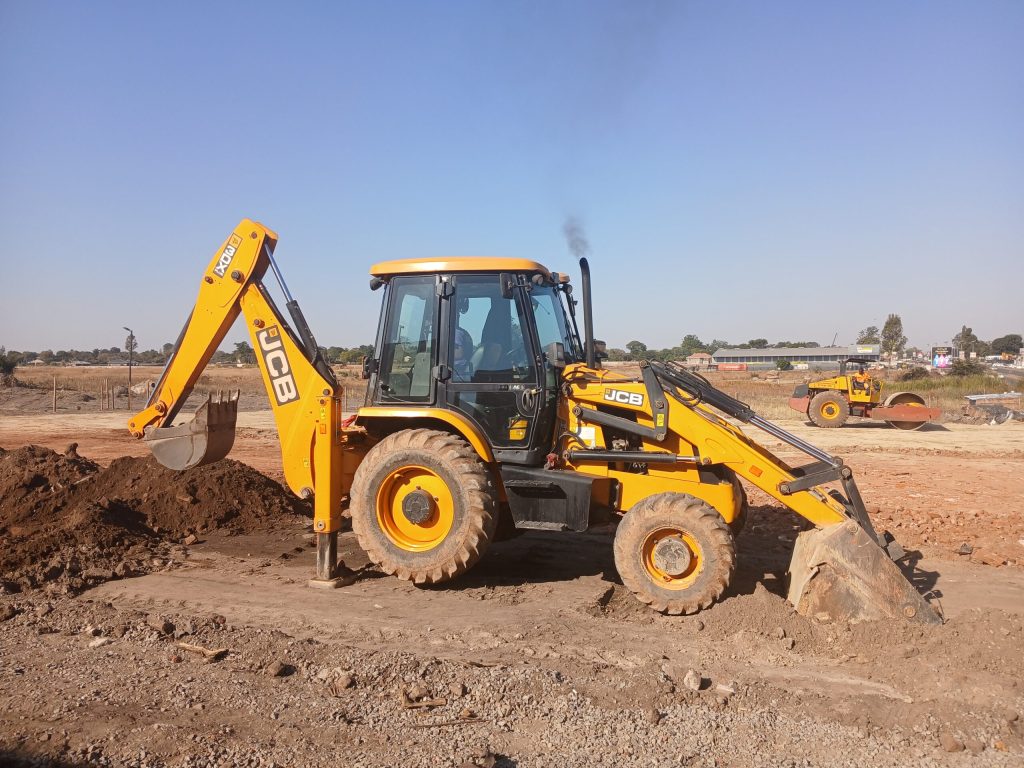
Think about it this way. You can read hundreds of pages about excavators, bulldozers, wheel loaders, motor graders, and forklifts. You can memorize safety procedures and understand machine components.
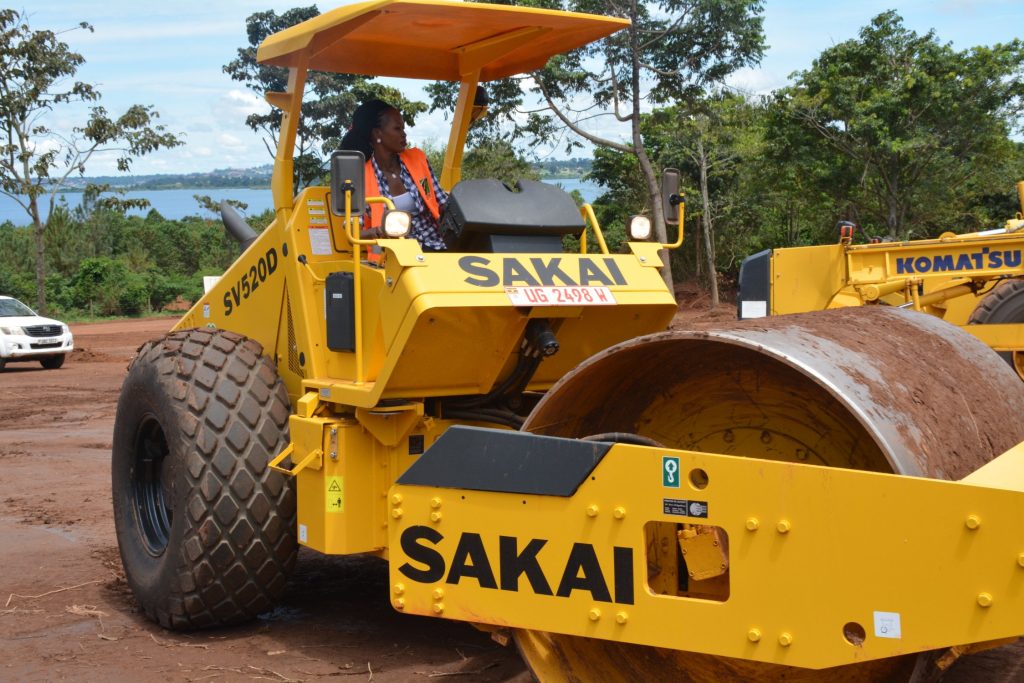
However, until you sit inside the operator’s cabin and begin controlling the equipment yourself, there is still a gap between knowledge and skill.
Practical training closes that gap. It allows you to develop muscle memory, operational awareness, and decision-making abilities that cannot be acquired through theory alone.
Every hour or minutes spent on operating machinery contributes to your growth as a professional operator.
Theoretical knowledge is important because it helps you understand how machines function and why certain procedures exist. However, heavy machinery operation is a practical profession.
It requires coordination, concentration, judgment, and confidence that can only be developed through experience.
Imagine learning how to swim by reading a book. You may understand the techniques, but until you enter the water, you cannot truly swim.
The same principle applies to machine operation. You may know how an excavator is designed to work, but operating one on uneven terrain is an entirely different experience.
Construction sites are dynamic environments. Conditions change constantly. You may encounter muddy ground, steep slopes, confined spaces, poor visibility, or unexpected obstacles.
In these situations, practical skills become far more valuable than theoretical understanding alone.
This is why employers place significant value on candidates who have completed practical heavy machinery training.
They know that hands-on experience prepares you as an operator to adapt, think critically, and perform effectively under real working conditions.
Confidence is one of the most important qualities any machine operator can possess. Without confidence, even a knowledgeable operator may hesitate, make mistakes, or struggle to perform efficiently.
The good news is that confidence is not something you are born with. It is developed through practice.
Every time you start a machine, perform an inspection, execute a maneuver, or complete a task, your confidence grows.
Through practical heavy machinery training, you become familiar with machine controls, operating procedures, and workplace expectations.
What initially feels intimidating gradually becomes second nature. Tasks that once seemed difficult become routine.
This confidence has a direct impact on your performance. if you’re a confident operator, you communicate better, work more efficiently, and respond more effectively to challenges.
Employers notice this immediately. When they see an operator who is comfortable around machinery and capable of making sound decisions, they see someone who can contribute positively to their projects.
1. Safety starts with practical experience
Safety is not simply a rule book that operators memorize. It is a mindset that develops through experience and consistent practice. Heavy machinery can be dangerous when operated incorrectly.
Even a small mistake can result in equipment damage, project delays, injuries, or financial losses. This is why safety training is such a critical component of practical heavy machinery training.
When you participate in hands-on training, you learn how to identify hazards before they become problems.
You understand the importance of pre-operation inspections, proper machine positioning, safe loading procedures, and effective communication on site.
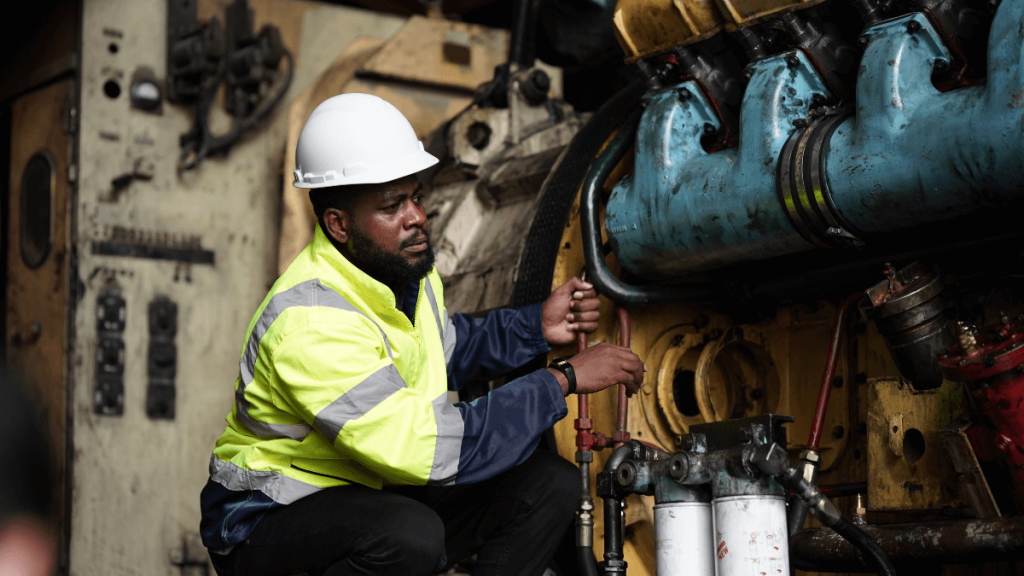
More importantly, you begin to appreciate why safety procedures exist. Instead of viewing them as rules to memorize, you see them as essential practices that protect lives and equipment.
This practical understanding helps you develop habits that remain with you throughout your career.
2. Developing real-world problem-solving skills
No construction site operates under perfect conditions every day. Machines break down. Weather changes unexpectedly. Ground conditions vary. Deadlines become tighter. Unexpected obstacles appear.
These challenges require operators to think critically and make informed decisions. Practical experience is what prepares you to handle such situations effectively.
During practical heavy machinery training, you encounter scenarios that mirror real workplace conditions. You learn how to assess situations, adjust your approach, and continue working safely and efficiently.
For example, an operator may need to adapt to soft ground conditions that affect machine stability.
Another may need to work within a confined area without damaging nearby structures.
These are situations that cannot be fully understood through theory alone. Practical training helps you develop the judgment and adaptability that employers value highly.
3. Practical training opens doors beyond Uganda
One of the often-overlooked benefits of practical heavy machinery training is its potential to create opportunities beyond national borders.
The skills required to operate heavy equipment are highly transferable. Construction companies, mining firms, infrastructure developers, and industrial employers throughout East Africa frequently seek qualified operators.
Whether opportunities arise in Uganda, Kenya, Tanzania, South Sudan, Rwanda, or the Democratic Republic of Congo, employers consistently prioritize individuals with proven practical experience.
The stronger your hands-on skills, the more competitive you become in regional job markets.
This means that practical training is not simply an investment in your current employment prospects. It is an investment in your long-term career growth and mobility.
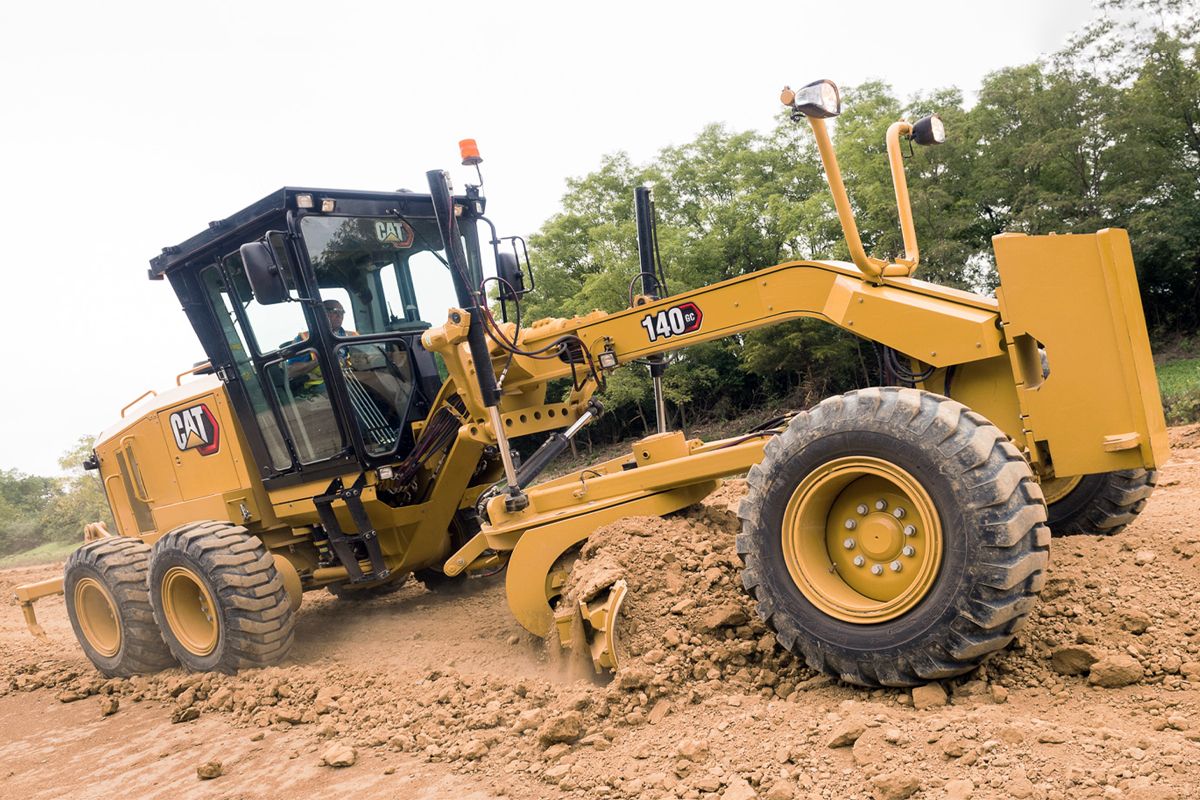
One characteristic shared by successful machine operators is a commitment to continuous improvement. They understand that every project presents new challenges and learning opportunities.
Practical heavy machinery training provides the foundation, but growth continues throughout your career. The more experience you gain, the more capable and valuable you become.
Each machine you operate, each project you complete, and each challenge you overcome contributes to your professional development.
Over time, these experiences transform you from a trainee into a trusted industry professional.
The path to becoming a successful machine operator is not built on theory alone. It is built through experience, practice, and continuous learning.
Practical heavy machinery training equips you with the confidence, technical competence, safety awareness, and problem-solving abilities needed to excel in Uganda’s growing construction and industrial sectors.
If you’re ready to move beyond theory and gain the skills employers truly value, Enroll with Machinery Training Uganda’s practical heavy machinery training program today and take the first step toward a rewarding career as a professional machine operator.
Join us to start a transformational journey to unlock limitless doors of heavy machinery opportunities.
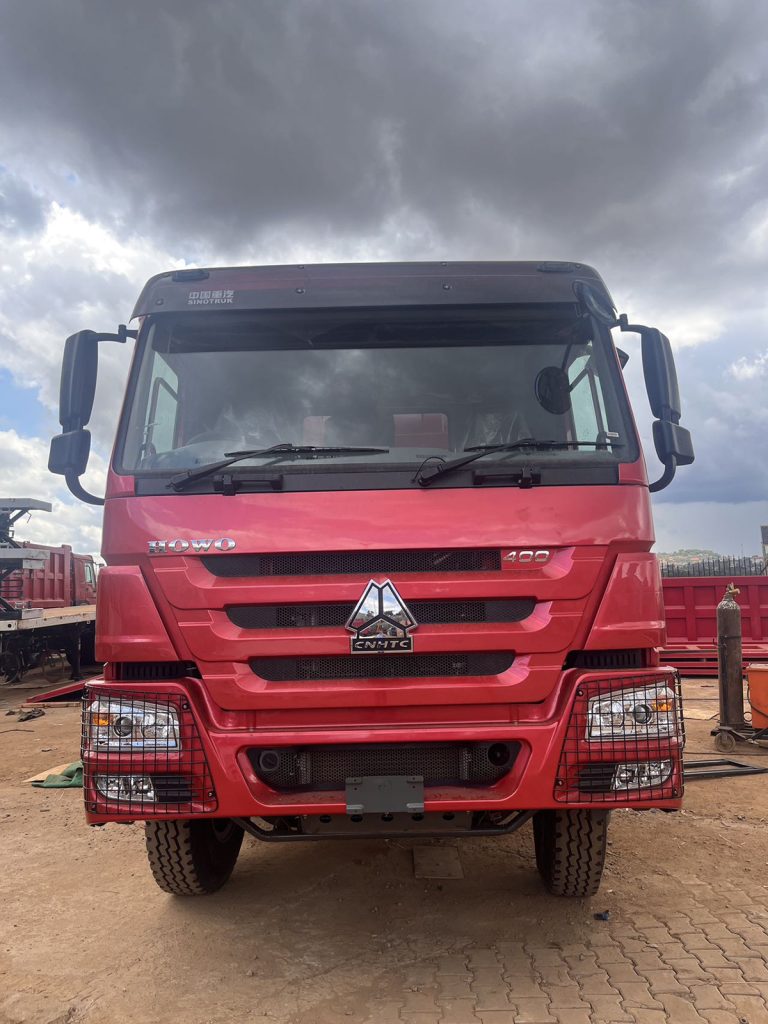
Machinery Training Uganda is a reputable and leading Heavy Machinery Training Centre offering affordable training courses in Trailer, Excavator, grader, forklift, sino trucks and more.
+256 772 069 909
+256 749 762 961
machineryuganda@gmail.com
Office #4 Agora Mall, Kireka, Kinawataka Rd Opposite Eco Petrol Station
Copyright Machinery Training Uganda © 2026 All Rights Reserved